

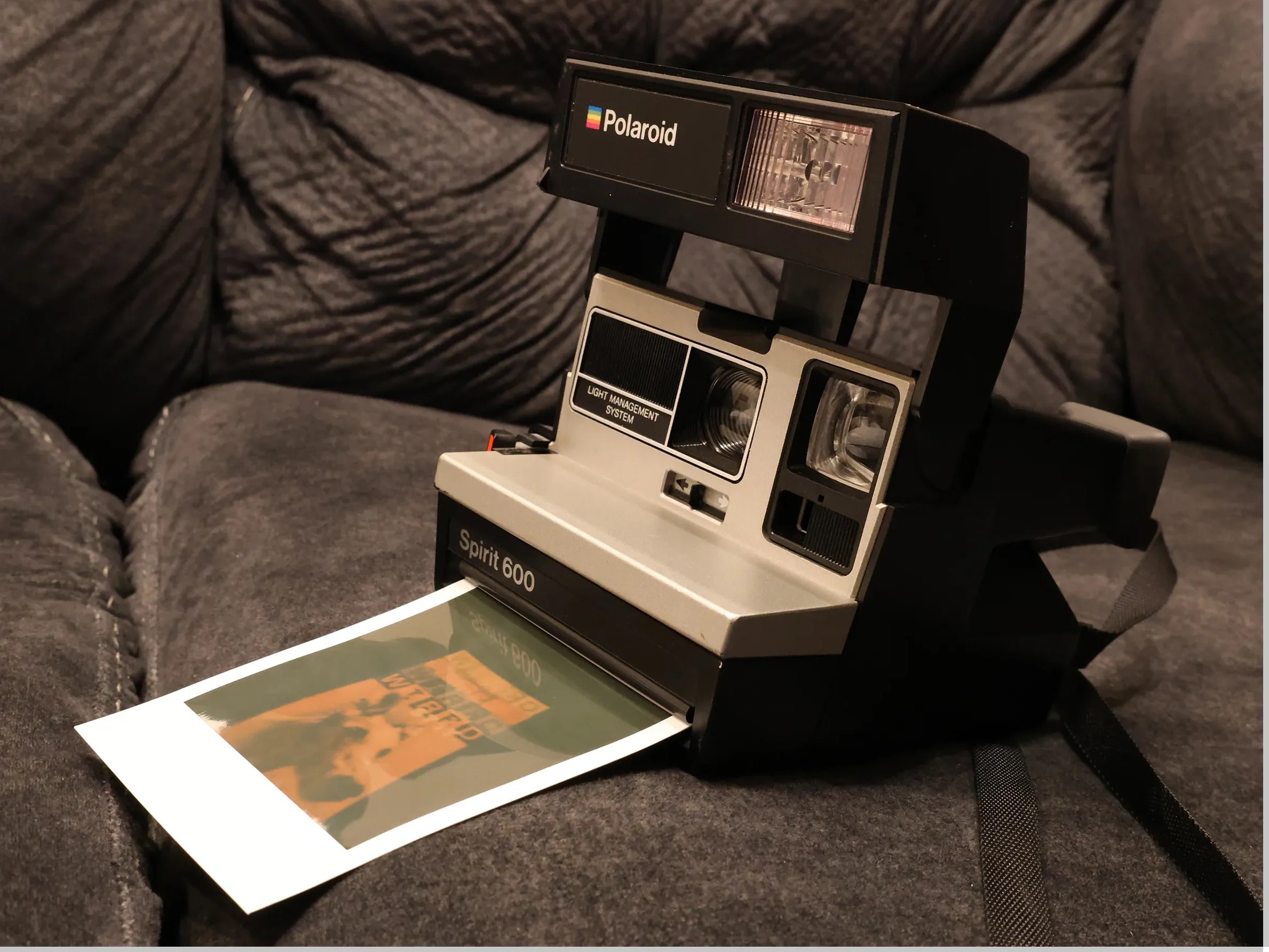
Polaroid of the suspect
Reporter: ‘Here I am, live at the scene of the crime, in fact I’ve just learnt the police have a polaroid of the suspect. More on this story as it develops.’
I’m kinda developing the habit of starting every post with a joke, amn’t I?
School‘s over (finally) and I received a Polaroid NOW+ 2 gen. as a present for the end of the exams! They were super easy :). I’ve always wanted a Polaroid camera and now this dream has become truth!
The Science behind the Cult
Before you take the picture, the reagent material is all collected in a blob at the border of the plastic film sheet, away from the light-sensitive material. This keeps the film from developing before it has been exposed. After you snap the picture, the film sheet passes out of the camera, through a pair of rollers. (In another configuration, often used by professional photographers, the reagent and developer are coated on a separate sheet which is pressed up against the film sheet for a set amount of time.)
The rollers spread the reagent material out into the middle of the film sheet, just like a rolling pin spreading out dough. When the reagent is spread in between the image layer and the light-sensitive layers, it reacts with the other chemical layers in the film. The opacifier material stops light from filtering onto the layers below, so the film isn’t fully exposed before it is developed.
The reagent chemicals move downward through the layers, changing the exposed particles in each layer into metallic silver. The chemicals then dissolve the developer dye so it begins to diffuse up toward the image layer. The metallic silver areas at each layer — the grains that were exposed to light — grab the dyes so they stop moving up.
Only the dyes from the unexposed layers will move up to the image layer. For example, if the green layer is exposed, no magenta dye will make it to the image layer, but cyan and yellow will. These colours combine to create a translucent green film on the image surface. Light reflecting off the white pigment in the reagent shines through these colour layers, the same way light from a bulb shines through a slide.
At the same time that these reagent chemicals are working down through the light-sensitive layers, other reagent chemicals are working through the film layers above. The acid layer in the film reacts with the alkali and opacifiers in the reagent, making the opacifiers become clear. This is what finally makes the image visible. The timing layer slows the reagent down on its path to the acid layer, giving the film time to develop before it is exposed to light.
One of the coolest things about instant photography, watching the image slowly come together, is caused by this final chemical reaction. The image is already fully developed underneath, but the opacifiers clearing up creates the illusion that it is forming right before your eyes.
Why is Polaroid photography making a comeback?
The force of nostalgia is strong with instant cameras (which, no matter the brand, will always be referred to as Polaroids, just like every vacuum cleaner used to be known as a Hoover). Old school doesn’t get much cooler than this.
The unexpected resurgence in the popularity of vinyl records shows there’s demand for the technology of the past and that, as useful as digital is when it comes to playing music and taking photographs, there’s an undeniable hankering for the way (some) things used to be. Practically every mobile phone in the world can be used as a camera now, but for dramatic effect, absolutely nothing beats gathering around a photograph as it develops in front of your eyes.
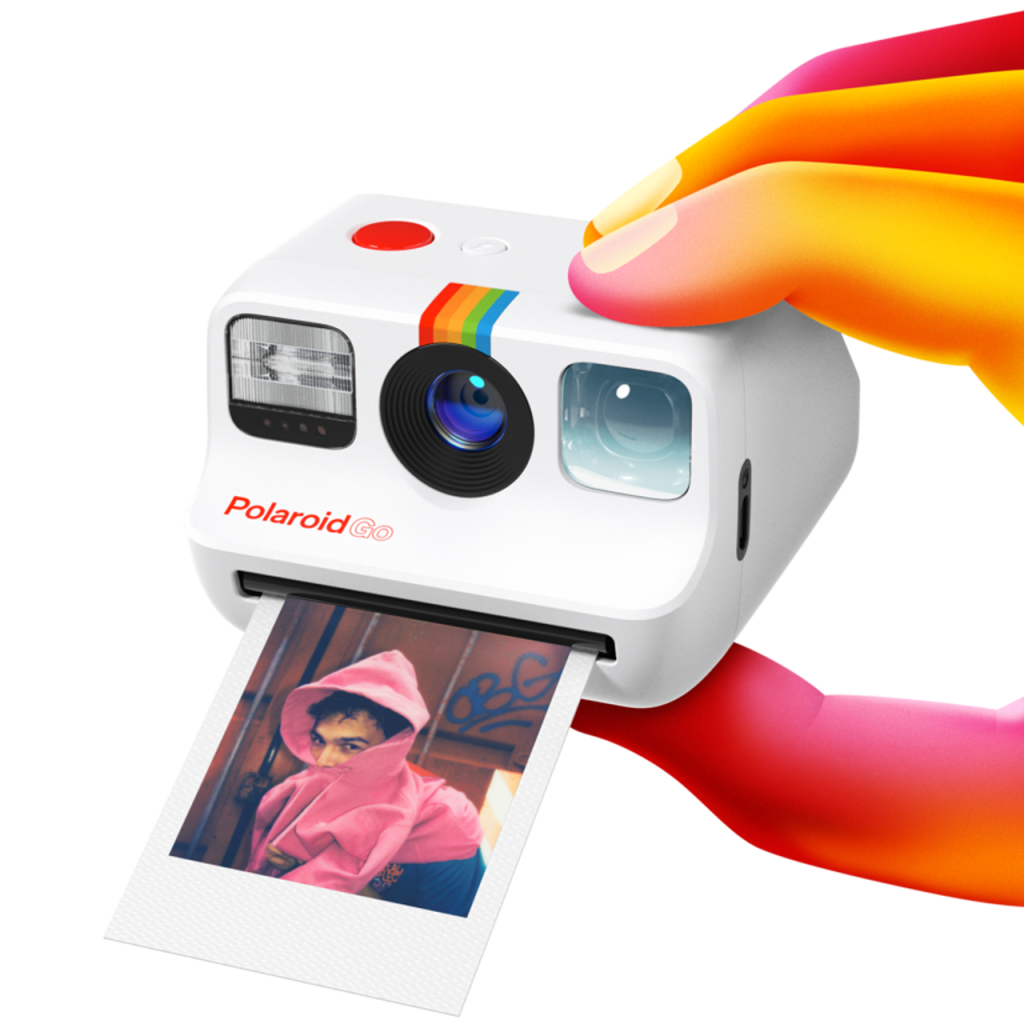
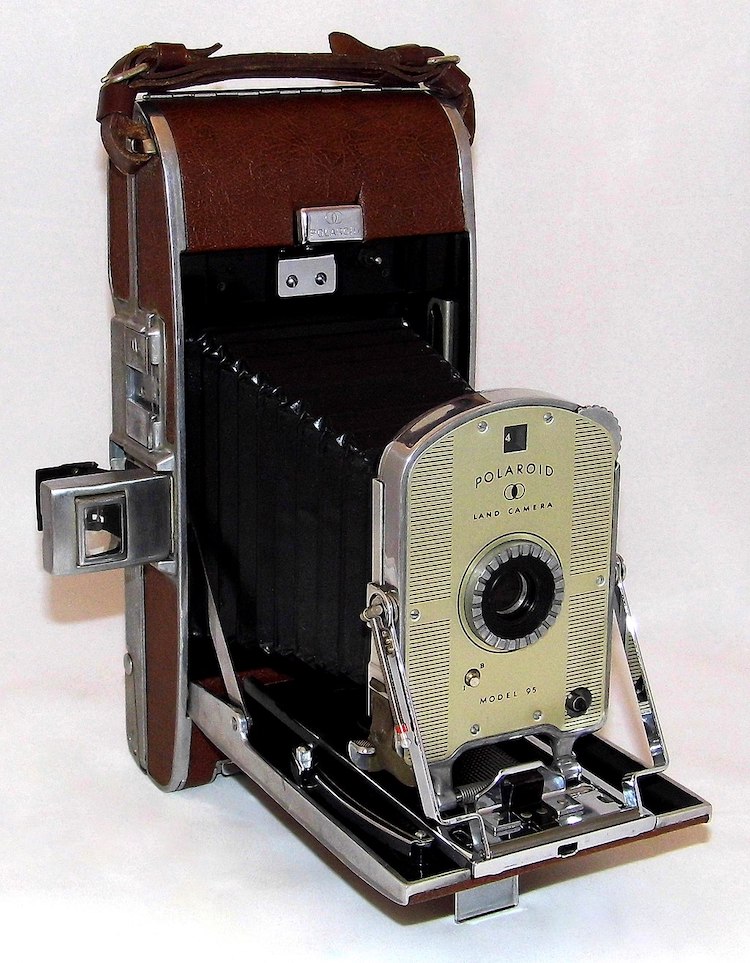
With the advent of digital cameras, the demise of Polaroid was not a surprise, and the company, which had been a global household name, ceased to be a decade ago. Last May, however, the Polaroid brand and its intellectual property were acquired by a company called Impossible Project, which had been manufacturing and selling instant film for owners of the old SX-70 cameras. It’s now known as Polaroid Originals and business is booming.
For fans of the real thing, this can be an expensive hobby, with Polaroid Originals offering a selection of vintage models that cost many thousands of pounds. But if you’re not fussed by the style of the equipment, there are cameras available for less than £200, depending on the model and brand.
It might seem like throwaway tech for some of us, but there are professional photographers out there who adore the image results from Polaroid cameras and include them in their portfolios.
“For me, Polaroid was my first introduction to photography,” an artist recalls, “as my parents had one at home that came out for birthdays and special occasions – at £1 a shot it was not cheap, but it’s what got me hooked on photography.” [today a shot is almost worth £1,7 INFLATION!]
Hope you enjoyed this post, see ya next time!


 Real Sheldon: a Science Blog
Leave a reply to raffaella dell’orto Cancel reply