
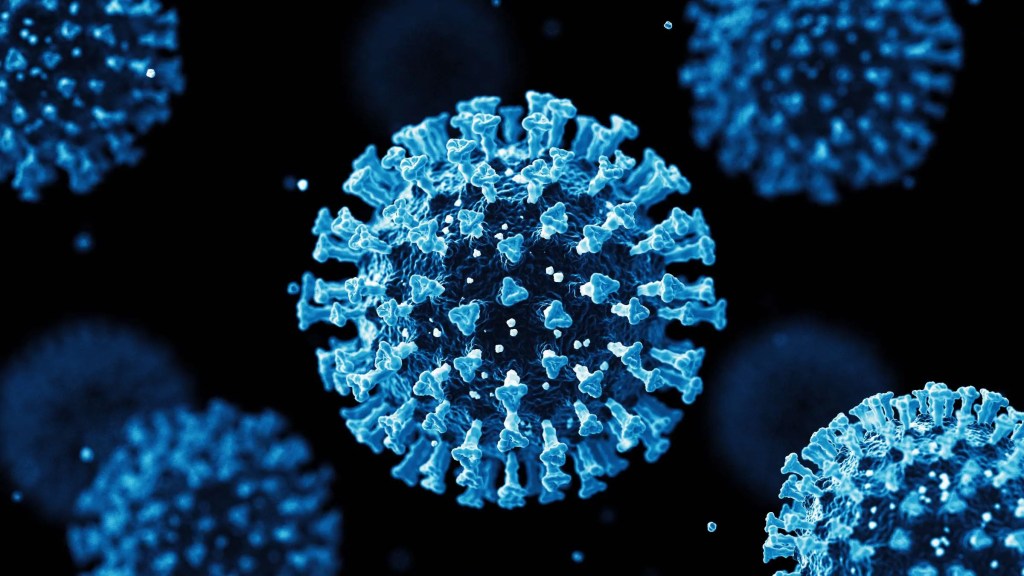
Viruses are unique biological entities that occupy a grey area between living and non-living matter. Despite their simplicity, they have profound effects on ecosystems, agriculture, and human health. We will review the fundamental characteristics of viruses, their replication mechanisms, and their role in disease, as well as emerging therapeutic strategies.
Introduction
Viruses are obligate intracellular parasites, meaning they require a host cell to replicate. Unlike cellular organisms, they lack the machinery necessary for independent metabolism and reproduction. Viruses are found in virtually every ecosystem, infecting animals, plants, fungi, bacteria, and archaea. Their study is critical for understanding infectious diseases, viral evolution, and biotechnological applications such as gene therapy.
Structure of Viruses
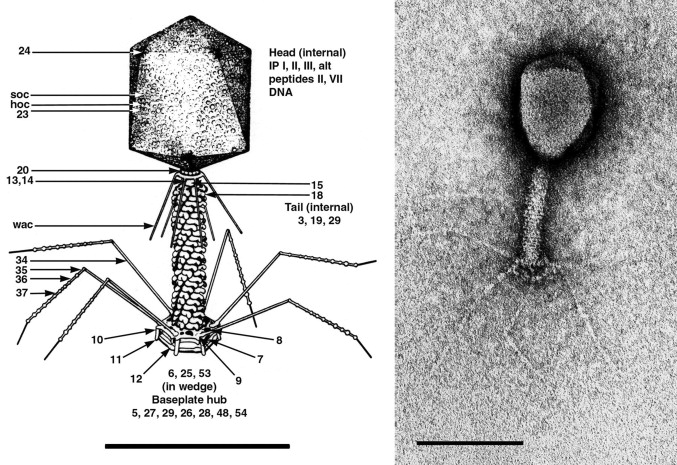
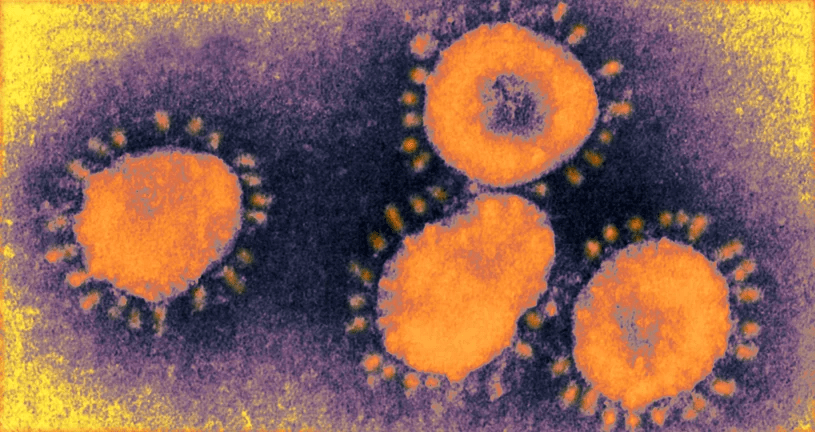
A virus typically consists of a nucleic acid genome—either DNA or RNA—encapsulated within a protein coat called a capsid. Some viruses also possess a lipid envelope derived from the host cell membrane, which contains viral glycoproteins essential for host cell recognition and entry. Viruses exhibit diverse morphologies, including icosahedral, helical, and complex structures.
Viral Classification
Viruses are classified based on their nucleic acid type, replication strategy, and morphology. The Baltimore classification system divides viruses into seven groups:
- Double-stranded DNA (dsDNA) viruses
- Single-stranded DNA (ssDNA) viruses
- Double-stranded RNA (dsRNA) viruses
- Positive-sense single-stranded RNA (+ssRNA) viruses
- Negative-sense single-stranded RNA (-ssRNA) viruses
- RNA reverse-transcribing viruses (retroviruses)
- DNA reverse-transcribing viruses
4. Viral Replication
The viral life cycle generally involves five steps:
- Attachment: Viral proteins recognise and bind to specific host cell receptors.
- Entry: Viruses penetrate the host cell through membrane fusion or endocytosis.
- Replication and Transcription: The viral genome is replicated and viral proteins are synthesised using host machinery.
- Assembly: Newly synthesised genomes and proteins are assembled into virions.
- Release: Virions exit the host cell by lysis or budding, spreading infection.
5. Viral Pathogenesis and Disease
Viruses can cause a wide spectrum of diseases, from mild infections such as the common cold to severe illnesses including AIDS, Ebola, and COVID-19. Pathogenesis often results from direct cytopathic effects, immune-mediated damage, or chronic infection. Emerging viruses, often zoonotic, pose significant threats due to limited population immunity.
6. Immune Response to Viruses
The host immune system combats viral infections through innate mechanisms, including interferon production and natural killer cells, as well as adaptive responses involving B and T lymphocytes. Vaccination has been a highly effective strategy in preventing viral diseases by inducing protective immunity.
7. Antiviral Strategies
Therapeutic approaches include:
- Vaccines: Live-attenuated, inactivated, and mRNA vaccines stimulate immunity.
- Antiviral Drugs: Target viral enzymes, such as reverse transcriptase or protease inhibitors.
- Gene Editing and RNA Interference: Experimental approaches to disrupt viral replication.
8. Conclusion
Viruses are simple yet highly adaptable entities with profound impacts on health and ecosystems. Advances in molecular biology, genomics, and immunology have enhanced our understanding of viral mechanisms, aiding the development of new therapeutics and preventive strategies.
References:
- Flint, S. J., Enquist, L. W., Racaniello, V. R., & Skalka, A. M. Principles of Virology. 4th Edition. ASM Press, 2015.
- Knipe, D. M., & Howley, P. M. Fields Virology. 7th Edition. Lippincott Williams & Wilkins, 2020.
- Baltimore, D. “Expression of Animal Virus Genomes.” BMC Microbiology, 1971.
 Real Sheldon: a Science Blog
Leave a comment