

Plastic waste has become one of the most pressing environmental challenges of our time. From oceans filled with microplastics to landfills overflowing with single-use products, the need to manage plastic waste more effectively is urgent. One important part of the solution is reusing plastic waste—extending the life of plastic materials instead of discarding them after a single use.
This article explores the advantages, disadvantages, and main methods of reusing plastic waste.
Why Reuse Plastic Waste?
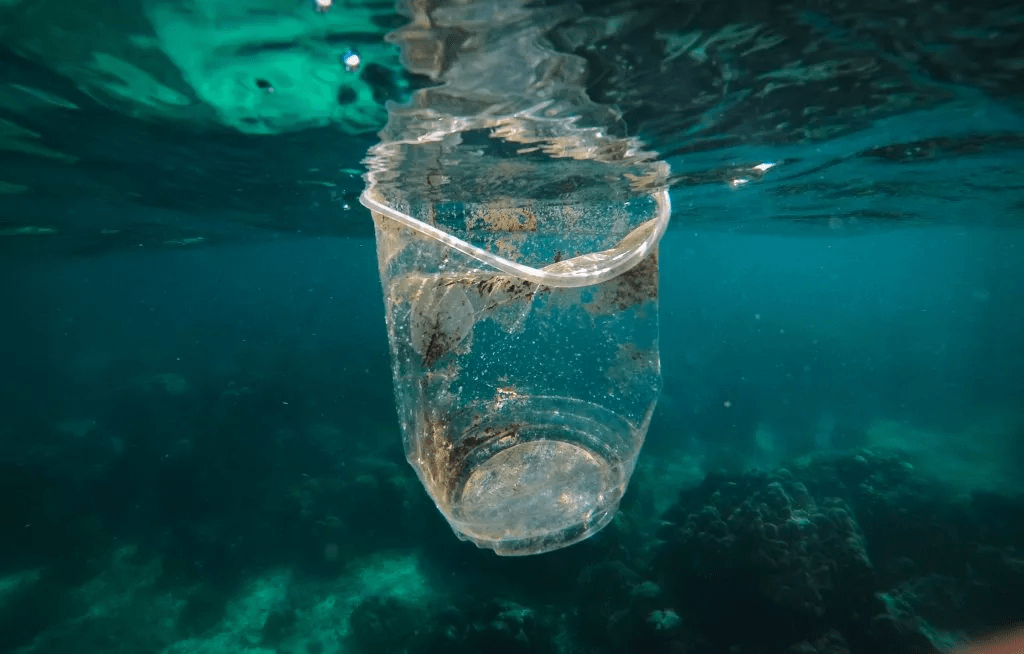
Plastics are durable, lightweight, and cheap to produce—qualities that make them useful but also environmentally problematic. Since most plastics take hundreds of years to decompose, reusing them helps reduce their long-term impact on ecosystems and human health.
Reuse is different from recycling: while recycling often involves breaking plastic down into raw material, reuse focuses on using existing plastic items again, sometimes with minimal processing.
Pros
1. Environmental Benefits
Reusing plastic reduces the amount of waste sent to landfills and oceans. It also helps limit pollution and protects wildlife that can be harmed by plastic debris.
2. Lower Energy Consumption
Compared to recycling or producing new plastic, reuse usually requires far less energy. This means fewer greenhouse gas emissions and a smaller carbon footprint.
3. Cost Savings
For both individuals and businesses, reusing plastic products (such as containers or packaging) can reduce costs associated with raw materials, waste disposal, and manufacturing.
4. Encourages Sustainable Habits
Reuse promotes a circular mindset, encouraging consumers to think more critically about consumption, waste, and long-term sustainability.
5. Supports Innovation and Creativity
From eco-design to upcycled products, plastic reuse has inspired new industries, jobs, and creative solutions.
Cons
1. Health Concerns
Some plastics can release harmful chemicals (such as BPA or phthalates), especially when reused for food or exposed to heat. Not all plastics are safe for repeated use.
2. Material Degradation
Plastics can degrade over time, losing strength and quality. This limits how many times certain items can realistically be reused.
3. Limited Applicability
Not all plastic products are designed for reuse. Thin packaging, contaminated items, or mixed plastics are often unsuitable.
4. Hygiene and Safety Issues
Improper cleaning or reuse of certain plastic containers can lead to bacterial growth or contamination.
5. Risk of Delaying Better Solutions
Focusing too much on reuse may sometimes distract from more impactful strategies like reducing plastic production altogether.
Main Methods of Reusing Plastic Waste
1. Direct Reuse
This is the simplest method. Plastic items are reused for the same purpose without significant modification.
- Examples: refillable water bottles, reusable shopping bags, food containers.
- Benefits: minimal processing, very low environmental impact.
2. Repurposing (Upcycling)
Plastic waste is transformed into products with a new function, often of higher value.
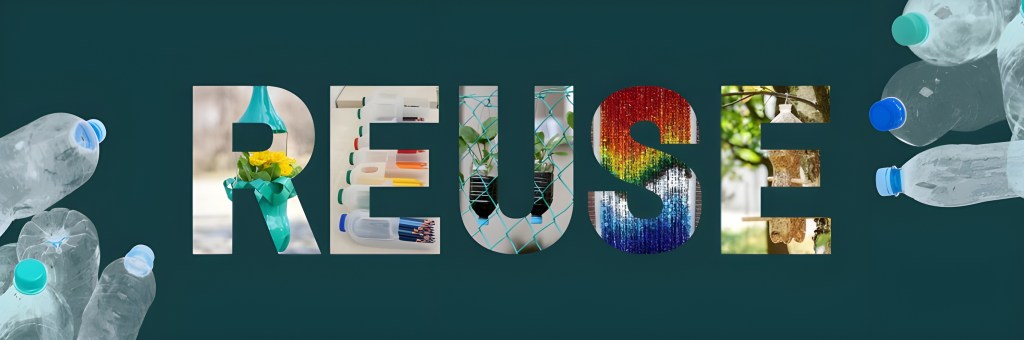
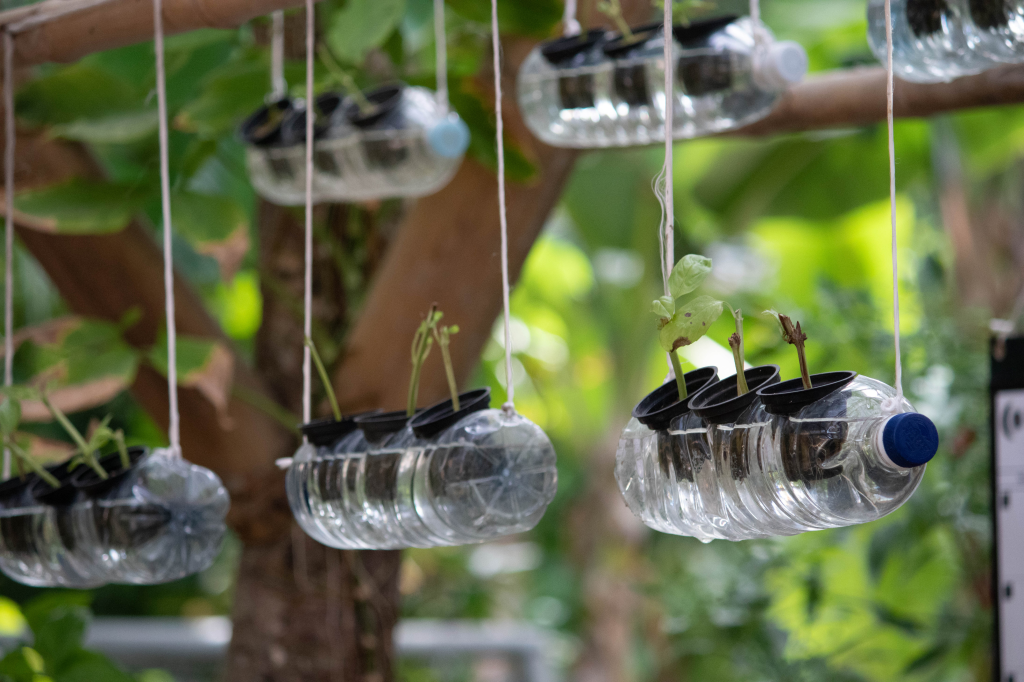
- Examples: plastic bottles turned into planters, furniture made from plastic pallets, eco-bricks used in construction.
- Benefits: extends product life and reduces demand for new materials.
3. Industrial Reuse Systems
In some industries, plastic packaging is collected, cleaned, and reused multiple times.
- Examples: returnable plastic crates, reusable shipping containers.
- Benefits: efficient at scale and reduces packaging waste significantly.
4. Construction and Infrastructure Use
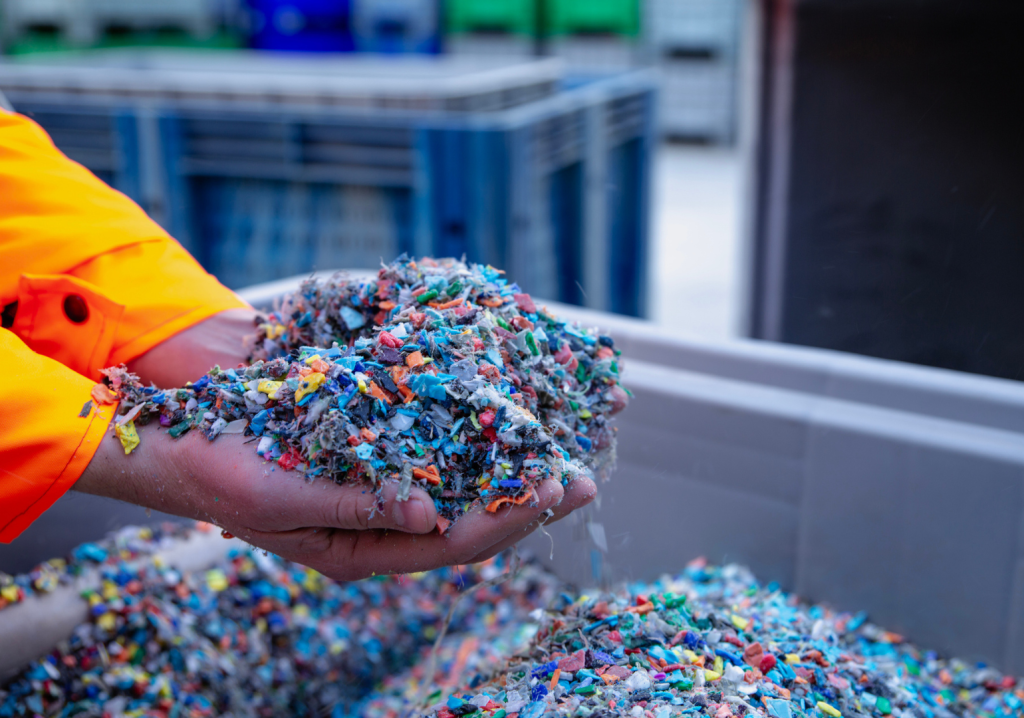
Processed plastic waste can be reused in building materials.
- Examples: plastic roads, insulation panels, roofing tiles.
- Benefits: durable materials and reduced reliance on traditional resources.
5. Community and Circular Economy Programs
Local initiatives encourage plastic reuse through sharing systems, refill stations, and deposit-return schemes.
- Benefits: combines environmental impact with social engagement.
Conclusion
Reusing plastic waste is not a perfect solution, but it is a valuable and necessary part of a broader sustainability strategy. While it has clear environmental and economic benefits, it also comes with limitations related to health, safety, and material durability.
Ultimately, the most effective approach combines reducing plastic use, reusing what already exists, and recycling what can no longer be reused. By supporting smarter reuse practices and encouraging innovation, we can take meaningful steps toward a more sustainable future.
Bibliography
United Nations Environment Programme (UNEP).
Single-Use Plastics: A Roadmap for Sustainability.
UNEP, 2018.
Ellen MacArthur Foundation.
The New Plastics Economy: Rethinking the Future of Plastics.
2016.
European Environment Agency (EEA).
Plastics, the Circular Economy and Europe’s Environment.
2019.
Geyer, R., Jambeck, J. R., & Law, K. L.
Production, use, and fate of all plastics ever made.
Science Advances, 2017.
 Real Sheldon: a Science Blog
Leave a comment