
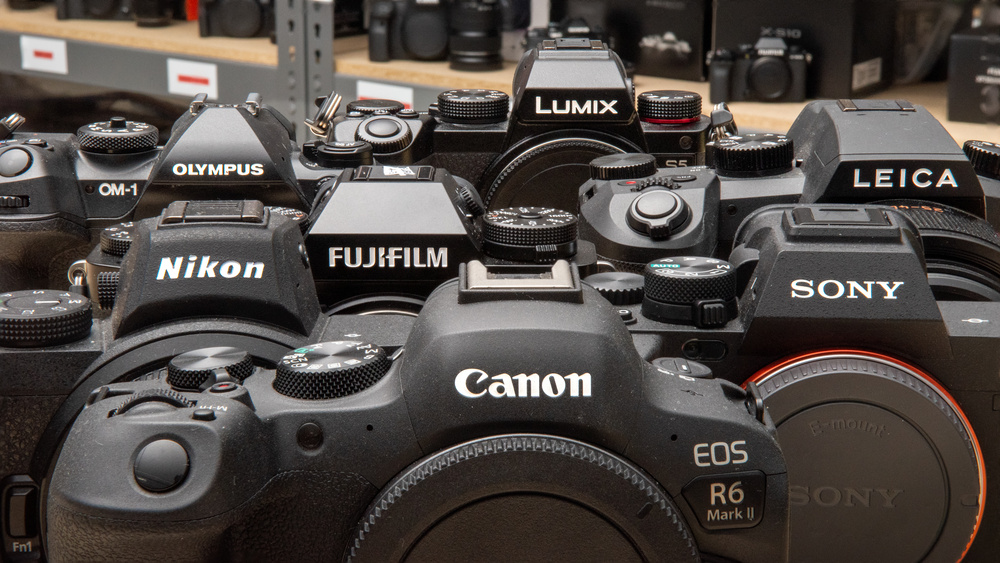
Photography was born in the early 19th century from the convergence of optics, chemistry, and art. While the camera obscura had been known for centuries, it was Joseph Nicéphore Niépce who created the first permanent photograph in 1826 using a process called heliography [1]. Shortly after, Louis Daguerre refined the technique, introducing the daguerreotype in 1839 — a milestone often considered the official birth of photography.
Throughout the 19th century, photography evolved from a scientific curiosity into a practical medium. The introduction of glass plates, roll film by George Eastman (Kodak), and later 35mm film democratized photography, making it accessible beyond professionals and scientists. In the 20th century, photography became both an artistic language and a mass communication tool, shaping journalism, fashion, science, and personal memory.

The late 20th and early 21st centuries marked the digital revolution, fundamentally changing how images are captured, processed, and shared. Modern photography is now inseparable from digital sensors, software, and advanced optics — areas where today’s leading brands have defined distinct philosophies.
Canon: Reliability and Optical Excellence
Founded in 1937 in Japan, Canon began as a precision optics company. It quickly became one of the most influential names in photography, especially during the film SLR era and later with digital cameras.
Canon is renowned for:
- Exceptional lens quality (EF and RF mounts)
- Reliable autofocus systems
- Strong presence in professional photography, especially sports and wildlife
Canon cameras are often praised for their natural color science and ergonomic design. The brand has long been a favorite among photojournalists and professionals who value consistency and durability.

Sony: Innovation and Sensor Leadership
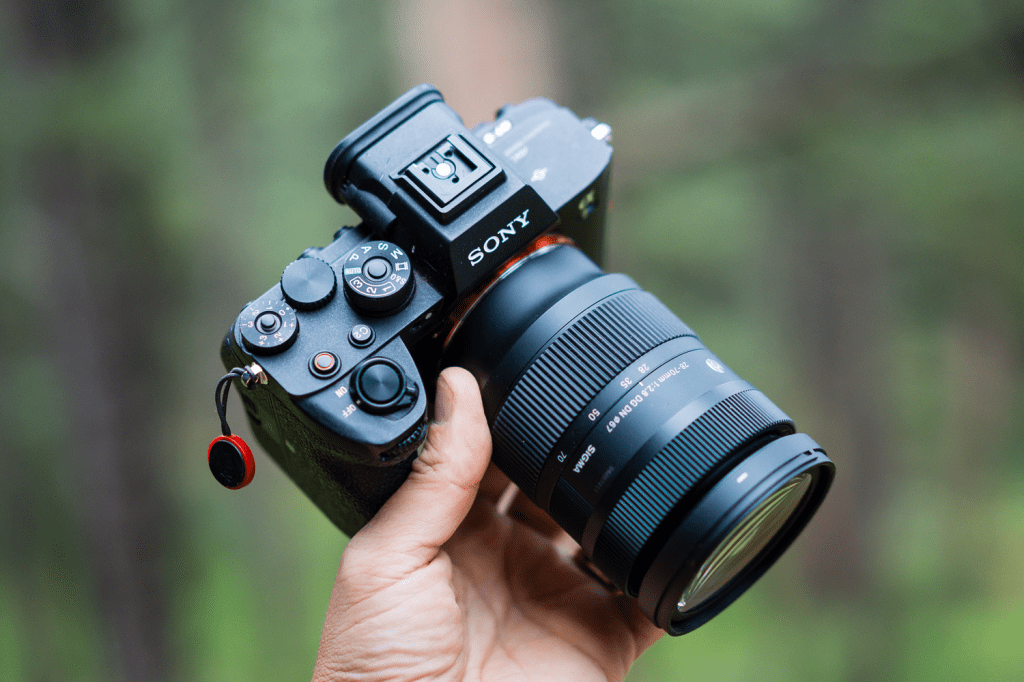
Sony entered the photography world relatively late but reshaped it dramatically. Building on its expertise in electronics and sensor technology, Sony became a leader in mirrorless cameras during the 2010s.
Sony stands out for:
- Industry-leading image sensors (used by many other brands)
- Advanced autofocus with AI and eye-tracking
- Strong performance in video and hybrid shooting
Sony cameras often appeal to photographers and filmmakers who prioritize cutting-edge technology, speed, and versatility. The brand has been instrumental in pushing the industry away from traditional DSLR systems.
Fujifilm: Tradition Meets Innovation
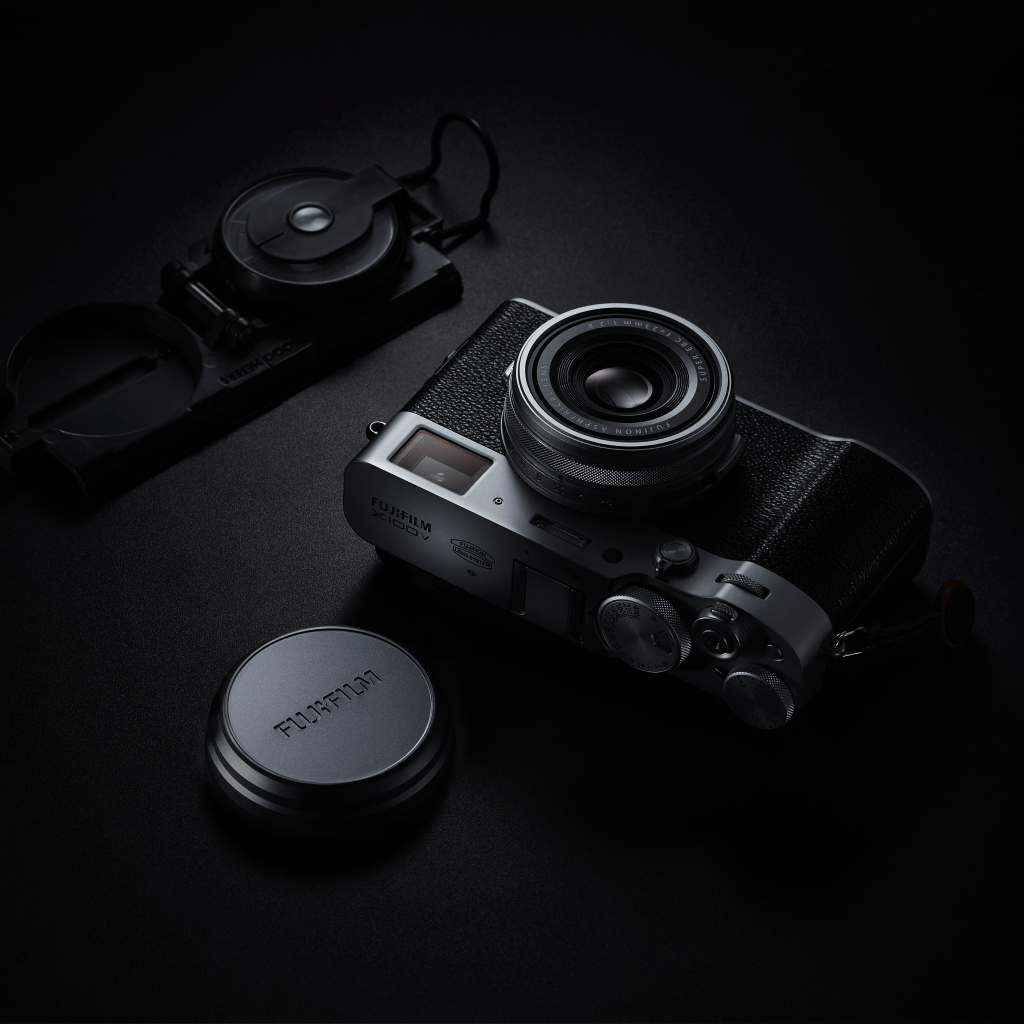
Fujifilm has a unique history rooted in photographic film, which deeply influences its modern identity. Instead of competing directly in full-frame dominance, Fujifilm focused on APS-C and medium format digital systems.
Key characteristics include:
- Distinctive film simulations inspired by classic analog emulsions
- Retro-inspired design and manual controls
- Strong medium format digital cameras (GFX series)
Fujifilm appeals to photographers who value the shooting experience as much as technical performance, blending nostalgia with modern digital precision.
Leica: Craftsmanship and Minimalism
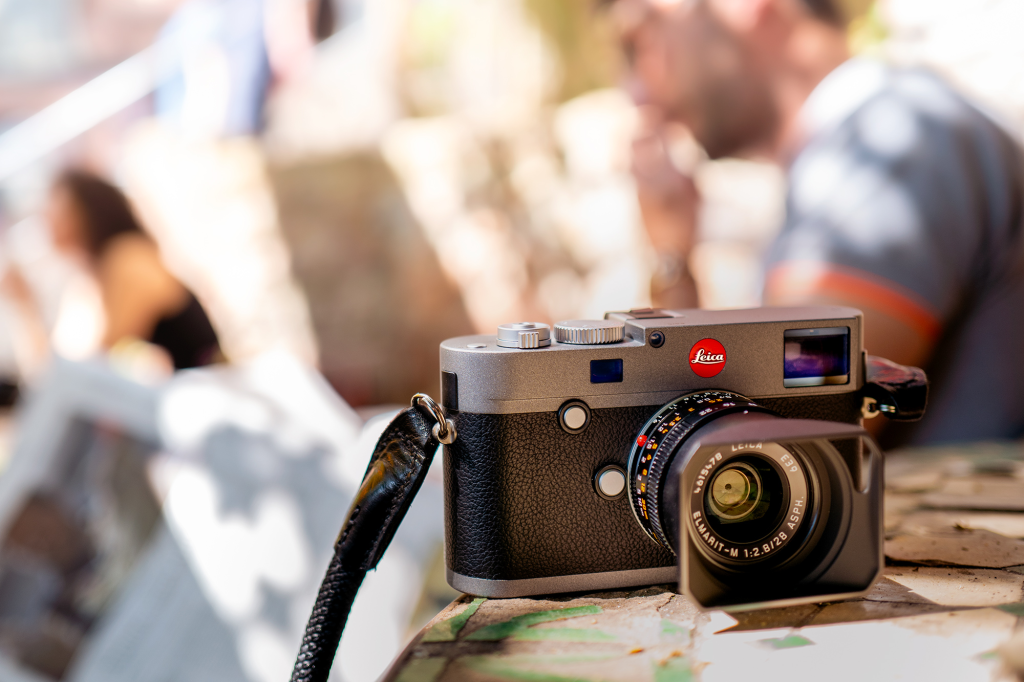
Leica is one of the most iconic names in photography. Founded in Germany, Leica revolutionized photography in the 1920s by popularizing the 35mm camera, which enabled discreet, mobile shooting.
Leica is known for:
- Exceptional hand-crafted lenses
- Minimalist rangefinder systems
- Strong association with street and documentary photography
Leica cameras are not mass-market tools; they are luxury instruments built for photographers who appreciate mechanical precision, simplicity, and heritage. The brand emphasizes photographic intent over automation.
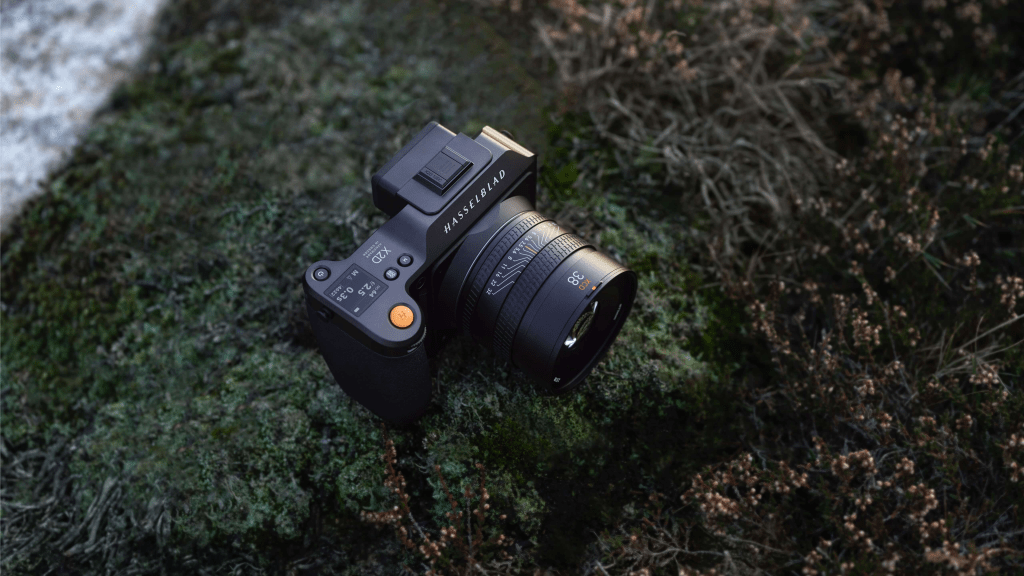
Hasselblad: Medium Format and Precision
Hasselblad, founded in Sweden, is synonymous with medium format photography and extreme image quality. The brand gained legendary status when its cameras were used during the Apollo moon missions.
Hasselblad specializes in:
- Large sensors with exceptional dynamic range
- Studio, landscape, and fine art photography
- Precision engineering and color accuracy
Hasselblad cameras are designed for photographers who prioritize image quality above all else, often working in controlled environments where detail and tonal depth are critical.
Conclusion
Photography has evolved from a chemical experiment into a sophisticated digital art form. Each major brand reflects a different philosophy:
- Canon emphasizes reliability and optical mastery
- Sony drives technological innovation
- Fujifilm blends tradition with creativity
- Leica represents purity and craftsmanship
- Hasselblad pursues ultimate image quality
Together, these brands shape the modern photographic landscape, offering tools that match diverse artistic visions and technical demands — proving that photography remains both a science and an art, nearly two centuries after its birth.
{Disclaimer: This article is entirely independent and is not affiliated, sponsored, endorsed, or supported by Sony, Canon, Fujifilm, Leica, Hasselblad, or any other camera brand mentioned. All brand names are referenced solely for informational and editorial purposes, and any opinions or descriptions expressed are based on general knowledge of the photography industry.}
 Real Sheldon: a Science Blog
Leave a comment