
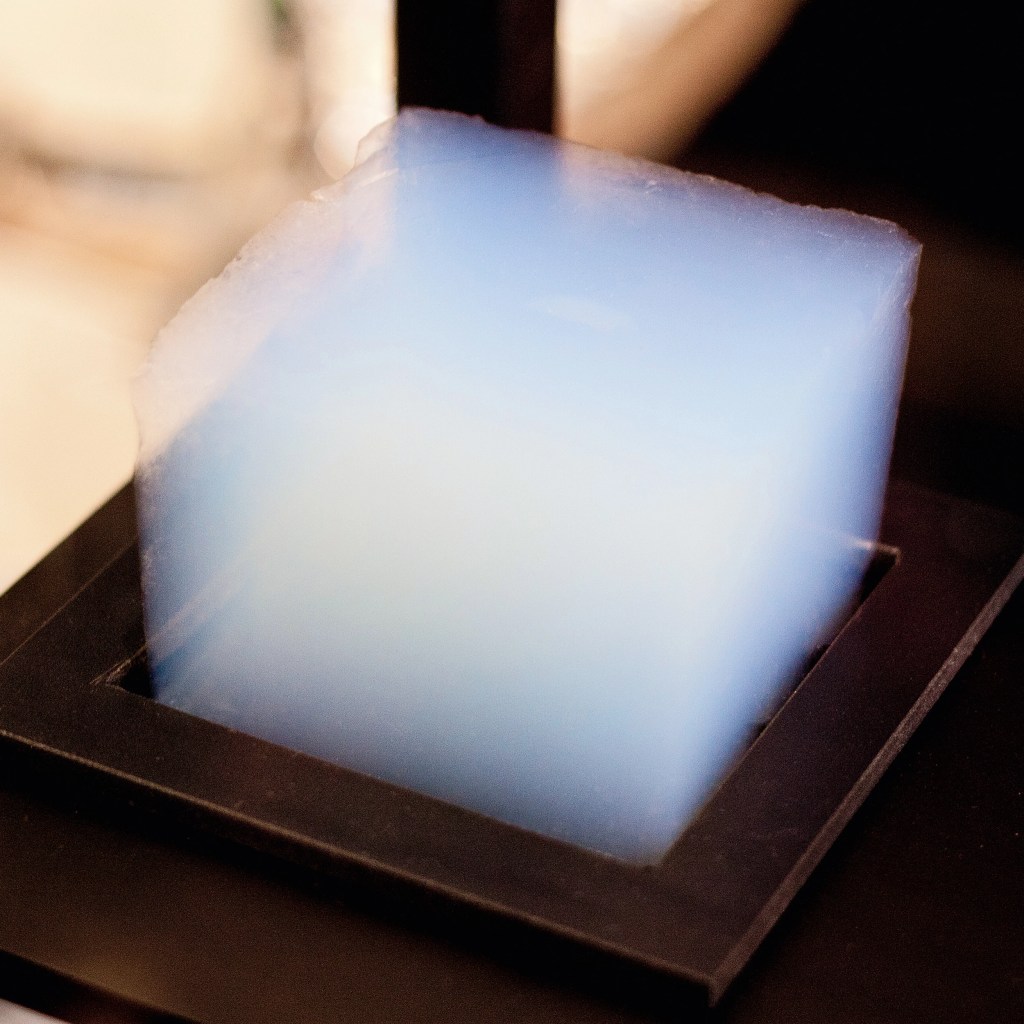
In the ever-evolving landscape of advanced materials, nano aerogel stands out as a game-changing innovation. Light as air and strong as steel, this remarkable substance is opening up new frontiers across multiple industries, from aerospace to medicine. But what exactly is nano aerogel, and why is it generating so much buzz?
What Is Nano Aerogel?
Nano aerogel is an ultra-lightweight material derived from a gel, where the liquid component is replaced with gas without causing the structure to collapse. What’s left is a porous, sponge-like solid that is over 95–99.8% air. The “nano” prefix refers to the extremely fine scale of its internal structure—nanoscale pores that make it one of the lightest solid materials known to science.
Key Characteristics
Here are some of the most fascinating features of nano aerogels:
- Ultra-low density: Some nano aerogels are as light as 0.001 g/cm³, barely heavier than air.
- Excellent thermal insulation: They can block heat more efficiently than traditional insulation materials.
- High surface area: With up to 1200 m²/g, they are ideal for adsorption and catalysis.
- High porosity: Their open-pore structure allows for efficient material exchange and filtration.
- Transparency: Some silica-based nano aerogels are partially transparent, useful in optical and display technologies.
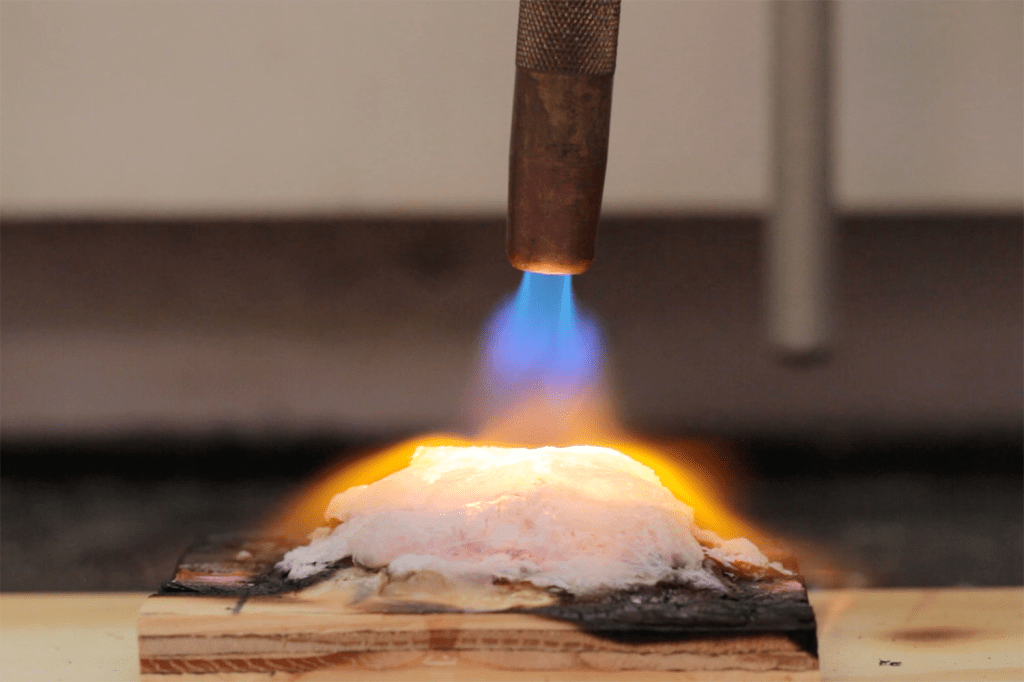
- Fire resistance: They can withstand very high temperatures without burning.
- Mechanical strength: With added reinforcement (e.g. polymer composites), nano aerogels can be surprisingly tough.
Amazing Applications of Nano Aerogels
The unique properties of nano aerogels have led to a surge in innovation across industries. Here are just a few notable examples:
1. Aerospace and Aviation
NASA famously used silica aerogels to trap space dust and insulate the Mars rovers. Their light weight and excellent thermal properties make them ideal for extreme environments.
2. Thermal Insulation
From cryogenic storage tanks to energy-efficient buildings, nano aerogels are being used to provide superior insulation with minimal thickness. They’re also making their way into winter clothing and outdoor gear.
3. Energy Storage
Thanks to their high surface area and conductivity (especially with carbon-based aerogels), they’re used in supercapacitors, battery electrodes, and fuel cells to improve efficiency and reduce weight.
4. Oil Spill Cleanup
Some aerogels are hydrophobic and oleophilic—meaning they repel water but absorb oil. This makes them excellent tools for cleaning up oil spills and industrial waste.
5. Sensors and Detectors
Their high sensitivity and surface reactivity allow nano aerogels to be used in gas sensors, biosensors, and even chemical warfare detectors.
6. Medicine and Drug Delivery
Biomedical research is exploring nano aerogels as delivery systems for targeted drug release, wound dressing materials, and tissue scaffolding.
7. Catalysis
Because of their huge surface area, aerogels can act as highly efficient catalysts or catalyst supports in chemical processes, from fuel refining to green energy production.
8. Filtration and Environmental Cleanup
Nano aerogels are being developed for air and water purification, removing heavy metals, radioactive isotopes, and micropollutants with high efficiency.
The Future of Nano Aerogels
As production methods improve and costs drop, nano aerogels are poised to become an essential material in the 21st century. Researchers are currently exploring graphene-based, carbon nanotube, and metal-organic framework (MOF) aerogels for even more advanced applications.
The fusion of lightweight design, durability, and multi-functionality makes nano aerogels one of the most promising materials for a sustainable and technologically advanced future.

 Real Sheldon: a Science Blog
Leave a comment