

From ancient strategy duels in royal courts to cosy family nights around the kitchen table, board games have captivated human imagination for millennia. More than mere entertainment, these tactile and often cerebral pastimes reflect cultural values, foster social bonds, and adapt alongside human civilization. As we step into the digital age, it’s worth pausing to appreciate the deep history and lasting social impact of board games.
A Brief History of Board Games
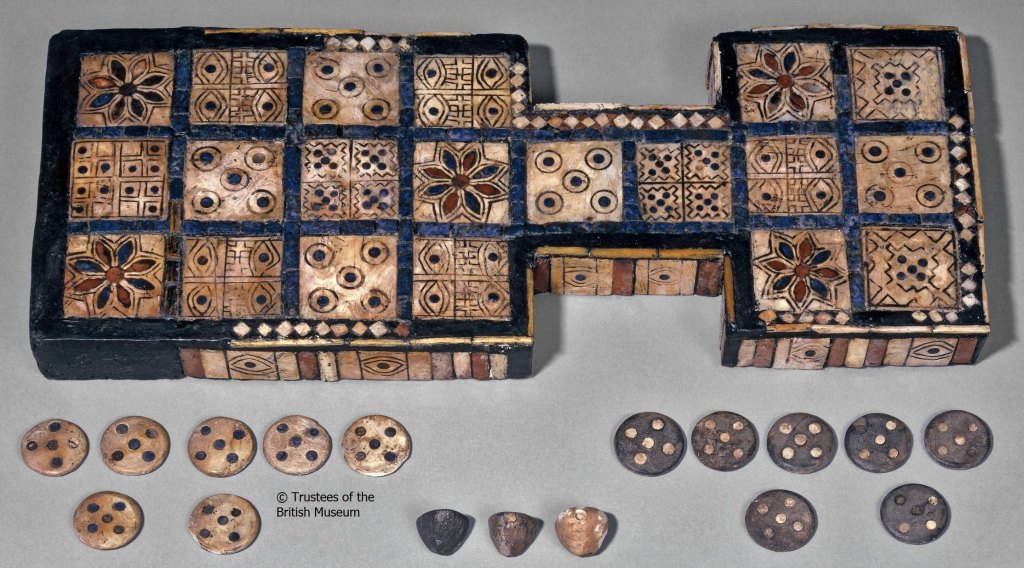
Board games are among the oldest forms of structured play in human history. The Royal Game of Ur, dating back over 4,000 years in Mesopotamia, is one of the earliest known board games. Similarly, Ancient Egypt had Senet, a game that symbolized the soul’s journey through the afterlife. These early games weren’t just pastimes—they often held religious or symbolic significance.
In Asia, Go originated in China over 2,500 years ago and remains one of the most elegant and strategic games ever created. Chess, with its roots in Indian chaturanga, made its way through Persia and the Islamic world to Europe, evolving into the form we know today.
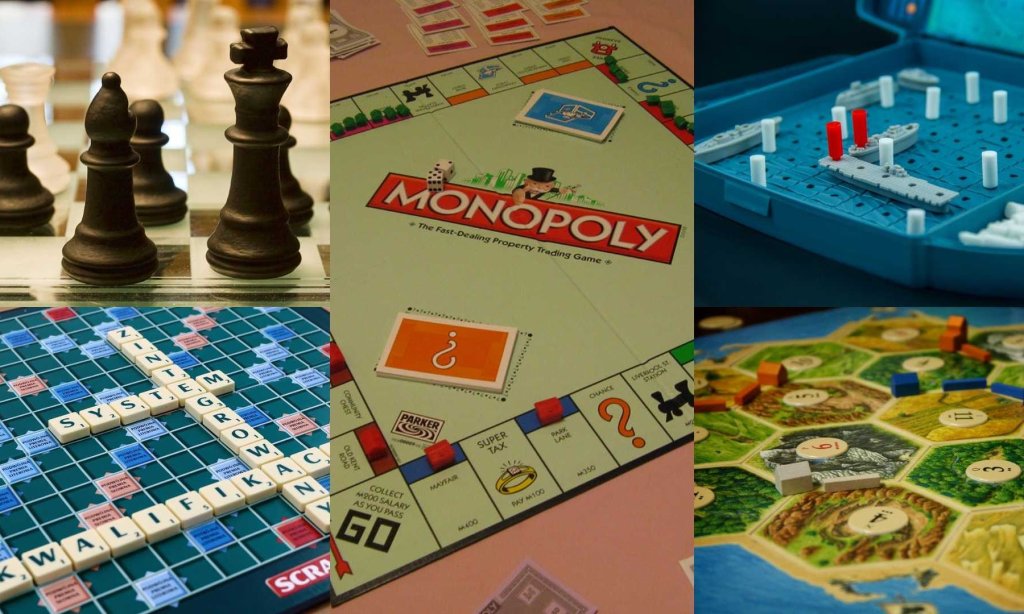
The modern board game industry began to take shape in the 19th and early 20th centuries with titles like The Game of Life and Monopoly, which reflected economic and moral values of their times. The late 20th century brought a renaissance of Eurogames, like Settlers of Catan, that emphasized strategy over chance and encouraged more inclusive, player-driven interaction.
The Social Power of Play
Board games are inherently social. They bring people face to face, often around a shared physical space, encouraging conversation, negotiation, competition, and cooperation. In an era dominated by screens and solitary scrolling, the act of sitting down to play a board game feels almost radical in its simplicity and connectivity.
Games serve as ice-breakers, tools for team-building, and even therapy. They can teach conflict resolution, decision-making, and critical thinking. In classrooms, games help students learn history, maths, and language through immersive, interactive methods. In retirement communities, they help preserve cognitive function and provide companionship.
Reflecting Society and Culture
The themes and mechanics of board games often mirror societal values, fears, and aspirations. War games simulate historical battles, economic games critique or celebrate capitalism, and cooperative games respond to global crises with messages of solidarity. The growing popularity of inclusive and narrative-driven games also reflects evolving attitudes toward diversity, empathy, and collaboration.
During the COVID-19 pandemic, board games saw a resurgence—both in digital form and through socially distanced innovations—offering a sense of structure, escapism, and human connection amid uncertainty.
A Future on the Table
As technology advances, hybrid board games that incorporate apps or augmented reality are gaining traction. Yet, the enduring appeal of traditional board games lies in their tactile nature and the human presence they require. No algorithm can fully replicate the laughter, tension, or satisfaction of a game played in person.
Board games have survived the rise and fall of empires, the advent of electricity, and the explosion of digital media. They are a testament to the human need for structured play, storytelling, and connection.
So next time you roll the dice or draw a card, remember: you’re not just playing a game—you’re participating in a timeless social ritual that bridges generations and cultures.
 Real Sheldon: a Science Blog
Leave a comment