
You know the feeling: you’re enjoying a sweet, juicy slice of pineapple… and then it turns on you. Suddenly your mouth stings, your tongue feels raw, and you’re wondering if this fruit is low-key trying to dissolve you from the inside out.
Well, in a way — it is.
Here’s what’s really happening, and why pineapple (Ananas comosus) juice can sometimes feel like a mild acid attack.
The Main Culprit: Bromelain
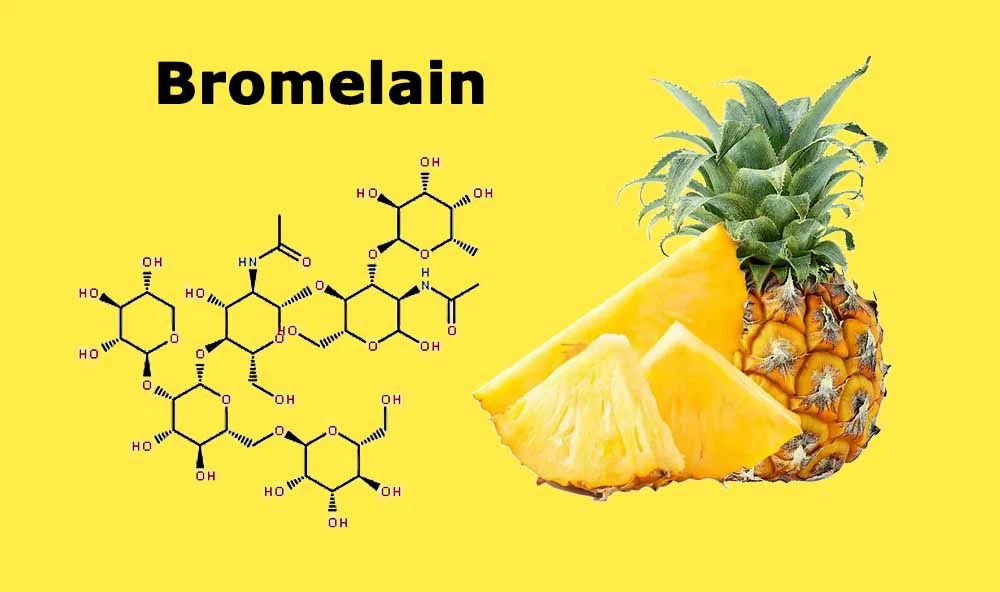
Bromelain is a proteolytic enzyme — which means it breaks down proteins. Pineapple is one of the few fruits that contains a large amount of it, especially in the core and fresh juice.
Now guess what your tongue, cheeks, and gums are made of?
Proteins.
So when you drink fresh pineapple juice, bromelain starts doing its job — breaking down the protein in your mouth tissue. It’s not harmful in small amounts, but it does create that tingling, burning, or raw feeling that some people are very sensitive to.
But Wait — There’s More: Oxalate Crystals
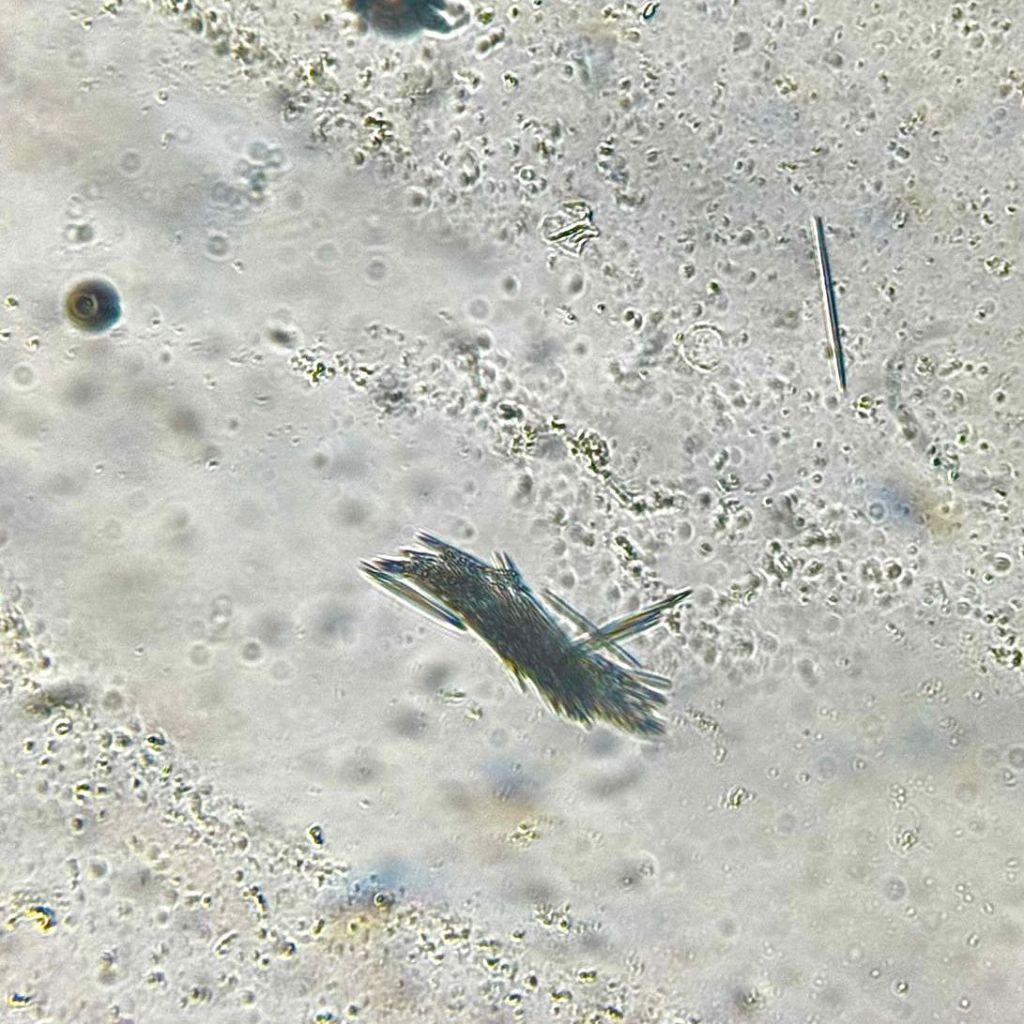
If you’ve ever noticed a powdery or chalky layer on cut pineapple or its core, you’re likely seeing calcium oxalate crystals — not sodium salt, as some might guess. These microscopic needle-like structures (called raphides) can physically irritate your mouth.
They don’t dissolve easily and can lodge into the soft tissues of your tongue, causing a mild stinging or sandpaper-like sensation. Combined with bromelain? It’s a one-two punch. [you can see raphides in the first image]
And Just to Make It Extra: Acidity
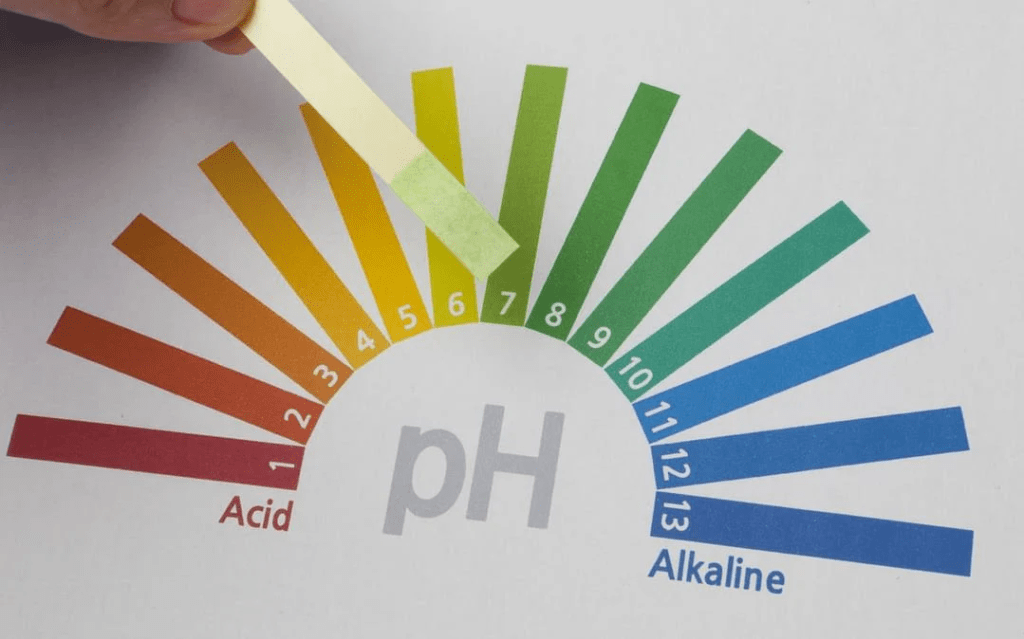
Pineapple has a pH between 3 and 4, making it quite acidic. This doesn’t just enhance the burn — it helps activate the bromelain, making it even more effective at breaking down proteins.
So no, pineapple isn’t out to get you — it’s just a fruit with a bit of bite. And now you know the science behind it.
 Real Sheldon: a Science Blog
Leave a comment