
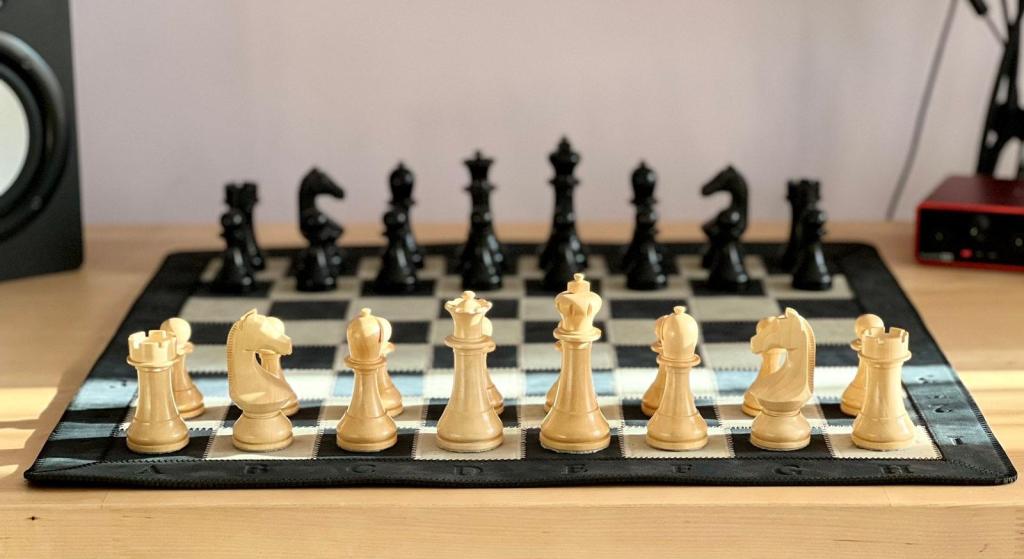
Few games can claim the cultural longevity, intellectual prestige, and global appeal of chess. From its ancient origins to its status as a digital-age phenomenon, chess has shaped and mirrored human society in profound ways. In this post, we’ll trace the arc of chess through history, explore its societal impact, and examine the causes behind its recent renaissance.
A Journey Through Time: The History of Chess
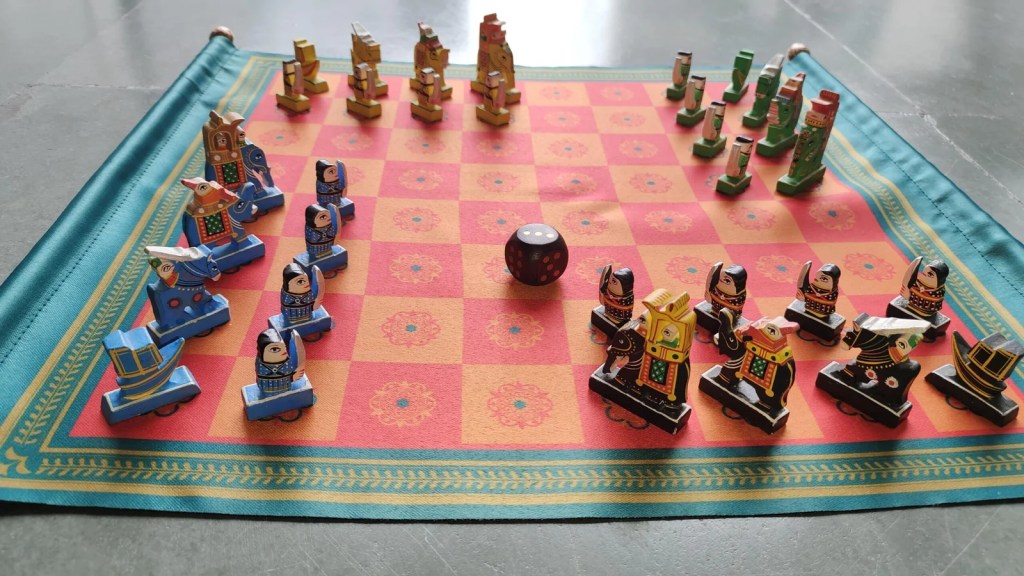
The earliest precursors to chess date back to 6th-century India, where a game called Chaturanga—played on an 8×8 board with pieces resembling infantry, cavalry, elephants, and chariots—laid the groundwork for what would evolve into modern chess. As Chaturanga spread through Persia, it became known as Shatranj, incorporating more familiar elements of the game we recognize today.
Following the Islamic conquest of Persia, chess reached the Muslim world and, through them, Europe by the 9th century. By the 15th century, European players had introduced significant rule changes—such as empowering the queen and bishop—transforming the game into its modern form.
By the 19th century, chess had become formalized with international tournaments, standardized time controls, and the establishment of a global chess culture. The crowning of Wilhelm Steinitz as the first official World Chess Champion in 1886 marked the beginning of professional competitive play.
Chess and Society: A Mirror of the Mind
Chess has long been a symbol of intellect, discipline, and strategic thinking. It’s been associated with education, military training, cognitive development, and even geopolitical competition.
- Cold War Symbolism: The 1972 World Championship match between Bobby Fischer (USA) and Boris Spassky (USSR) was framed as a microcosm of ideological conflict between East and West.
- Educational Impact: Numerous studies link chess to improvements in problem-solving, mathematical reasoning, and executive function. Some school systems have even integrated chess into curricula to enhance learning.
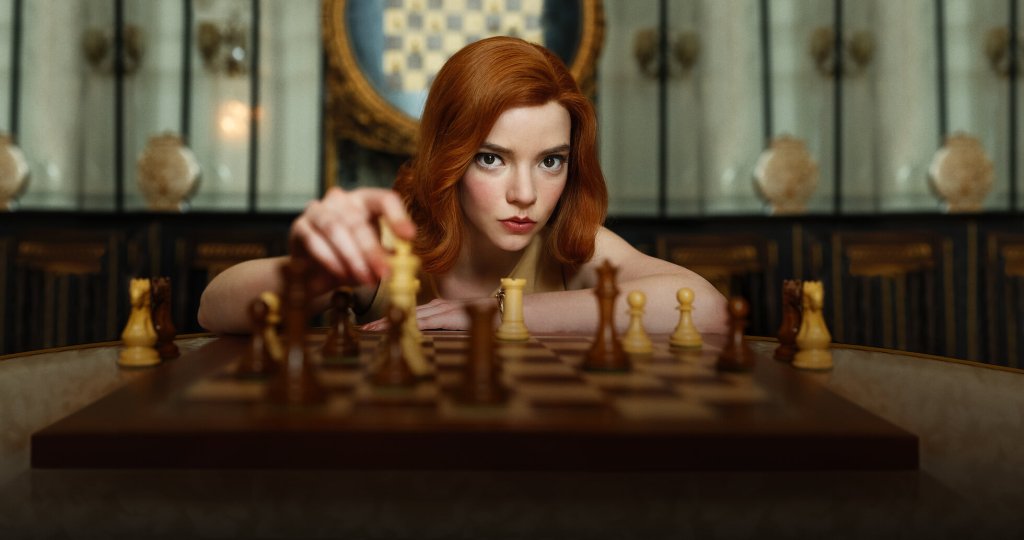
- Gender & Representation: Chess has also been a battleground for discussions on gender equity, especially as the game remains male-dominated at elite levels. The success of figures like Judit Polgár and the popularity of fictional portrayals, like Beth Harmon in The Queen’s Gambit, have reignited interest in changing that.

The Digital Renaissance: Chess in the 21st Century
Although chess never disappeared, it has experienced an unprecedented boom in the 2020s—a perfect storm of cultural, technological, and societal forces.
- Pandemic Popularity: With people stuck indoors during COVID-19 lockdowns, online chess platforms like Chess.com and Lichess saw explosive growth. Millions of new players signed up, creating a vibrant and diverse global community.
- The Queen’s Gambit Effect: Netflix’s 2020 miniseries sparked a massive surge in interest, especially among women and younger viewers. Sales of chess sets soared, and online tutorials flooded YouTube and Twitch.
- Twitch & YouTube Streamers: Grandmasters and casual players alike found huge audiences streaming chess games online. Personalities like Hikaru Nakamura, GothamChess, and BotezLive helped humanize the game and make it more accessible.
- AI & Computer Chess: Tools like Stockfish and AlphaZero have changed how top players prepare for matches, deepening the strategic depth of the game. Artificial intelligence has also democratized access to high-level analysis for amateurs.
The Game That Never Grows Old
Chess has endured for over 1,500 years—not just as a pastime, but as a cultural artifact that reflects human curiosity, intellect, and competition. Its recent resurgence isn’t just a passing trend; it’s a testament to the timeless appeal of a game that balances logic and creativity, patience and daring.
As chess continues to evolve in the digital era, one thing remains clear: the 64 squares still have infinite stories to tell.
 Real Sheldon: a Science Blog
Leave a comment