Plastic pollution is a growing environmental crisis that poses a significant threat to marine ecosystems and the myriad species that inhabit them. With millions of tons of plastic entering our oceans each year, the consequences for marine life are dire. This article explores the various ways plastic pollution affects ocean animals, the extent of the problem, and potential solutions.
Understanding Plastic Pollution
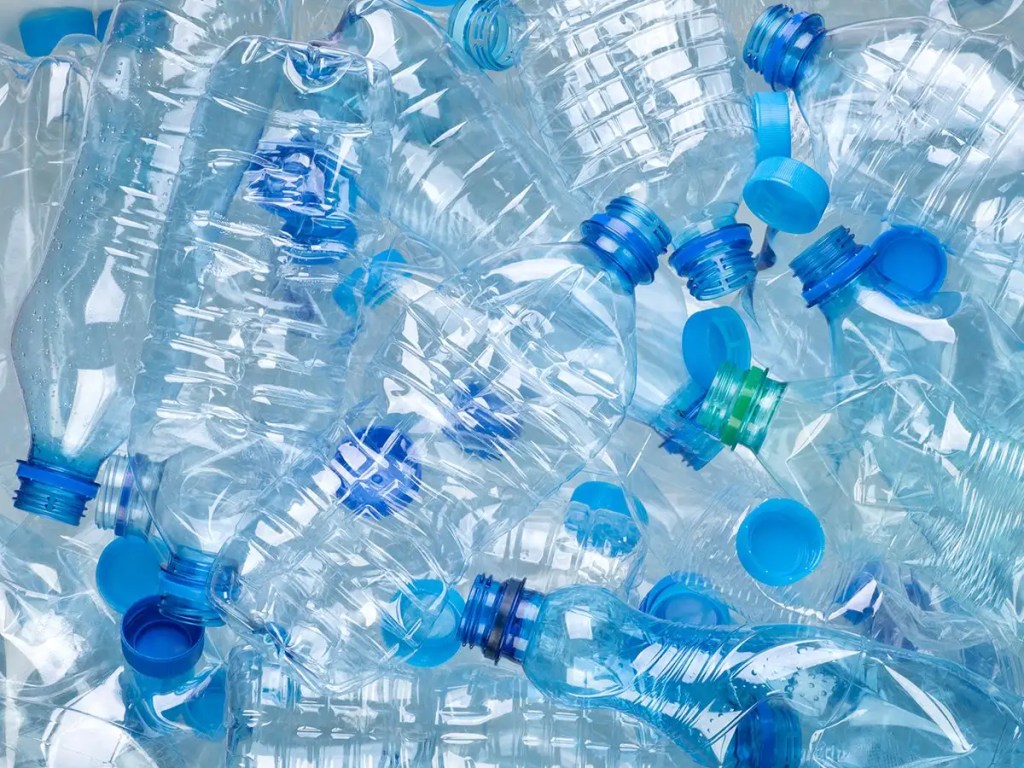
Every year, between 19 to 23 million tons of plastic waste leak into aquatic ecosystems, including lakes, rivers, and seas
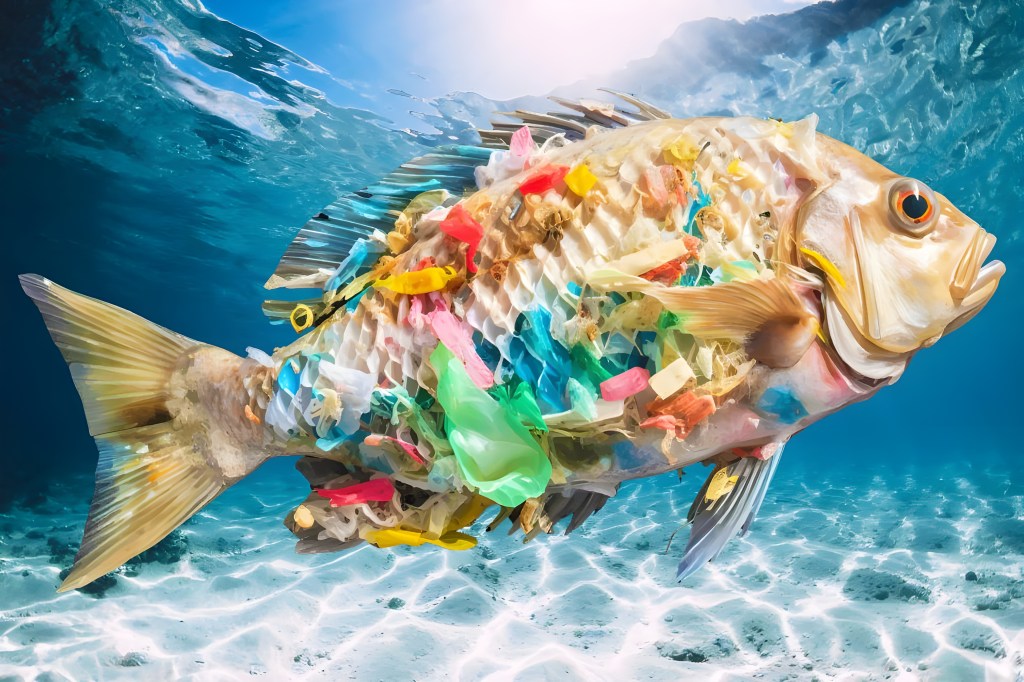
Plastic pollution is now recognized as a leading cause of marine species extinction and health problems for both wildlife and humans. The durability of plastic means it can take hundreds of years to degrade, often breaking down into smaller pieces known as microplastics, which are less than 5mm in size. These microplastics are particularly insidious as they can be ingested by a wide range of marine organisms, entering the food chain and causing harmful effects.
Effects on Marine Species
Plastic pollution impacts marine life in several critical ways:
1. Ingestion of Plastic
Many marine animals mistakenly ingest plastic, believing it to be food. This is especially common among sea turtles, which often consume plastic bags thinking they are jellyfish. Ingesting plastic can lead to severe health issues, including starvation, as it fills their stomachs without providing any nutritional value
Studies have shown that some turtles have consumed dozens of pieces of plastic, leading to fatal blockages in their digestive systems.
2. Entanglement
Larger pieces of plastic waste, such as fishing nets and six-pack rings, pose a significant threat through entanglement. Marine mammals like whales and dolphins often become trapped in discarded fishing gear, leading to injuries or death from drowning or starvation
It is estimated that around 300,000 marine mammals die each year due to entanglement in plastic debris.

3. Toxic Contamination
Plastics are manufactured with various toxic chemicals that can leach into the water and accumulate in marine organisms. As smaller fish consume microplastics, these toxins can bioaccumulate up the food chain, ultimately affecting larger predators like sharks and humans who consume seafood. This process of biomagnification leads to increasingly higher concentrations of harmful substances in top predators
The Extent of the Problem
Plastic pollution is not just an aesthetic issue; it has profound implications for biodiversity and ecosystem health. It is estimated that plastics make up about 80% of all marine debris.
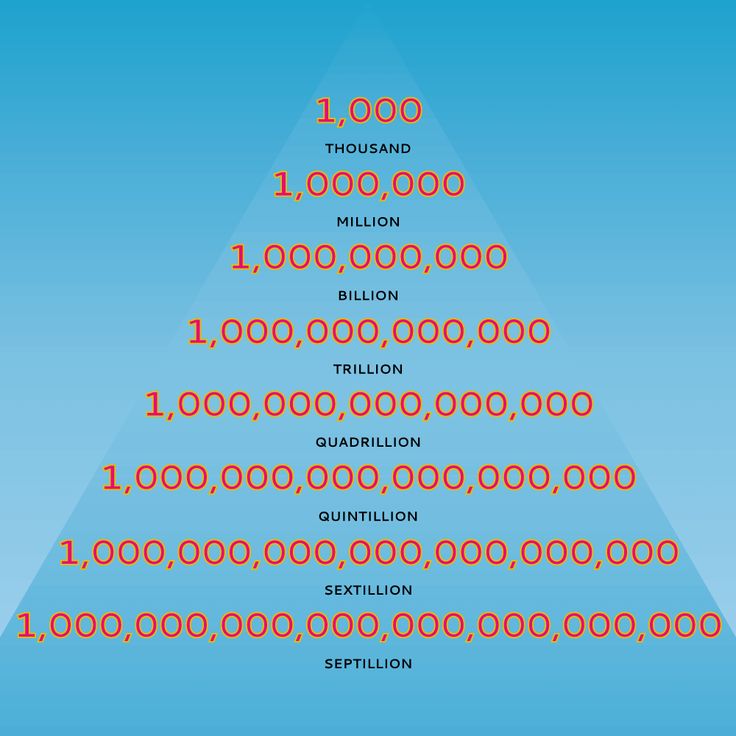
With over 50 trillion pieces of plastic currently in the ocean, this crisis threatens more than just individual species—it jeopardizes entire ecosystems. For instance, floating plastics can also facilitate the spread of invasive species by providing new habitats.
What Can Be Done?
Addressing plastic pollution requires concerted global efforts:
- Reduce Plastic Use: Individuals can help by reducing their consumption of single-use plastics and opting for reusable alternatives.
- Proper Disposal: Ensuring proper disposal and recycling of plastics can prevent them from entering waterways.
- Support Legislation: Advocating for policies aimed at reducing plastic production and improving waste management systems is crucial.
- Community Cleanups: Participating in or organizing local beach cleanups can help remove existing litter from marine environments.
Conclusion
The impact of plastic pollution on marine life is a pressing issue that demands immediate attention. By understanding how our actions contribute to this crisis and taking steps to mitigate it, we can help protect our oceans and the diverse life they support. The future health of our planet depends on our collective efforts to combat plastic pollution and preserve marine ecosystems for generations to come.

 Real Sheldon: a Science Blog
Leave a comment