
Introduction: Defining Time Travel
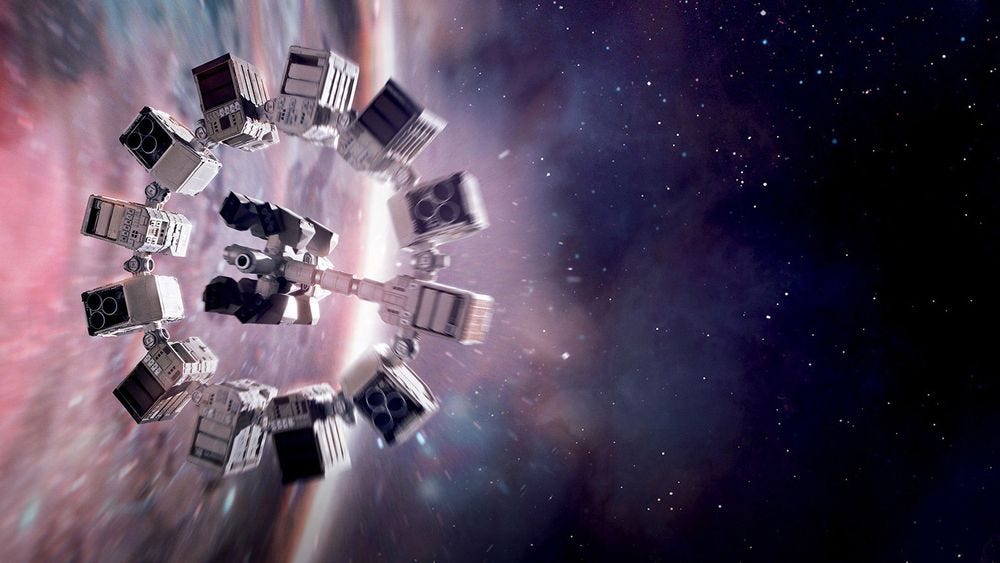
Time travel has fascinated humanity for centuries, showing up in everything from ancient myths to modern films like Interstellar and Back to the Future. But can science actually support the idea of traveling through time? This article explores the scientific theories, including relativity, black holes, and quantum mechanics, that suggest time travel might one day be possible.
Einstein’s Theory of Relativity: Time Dilation
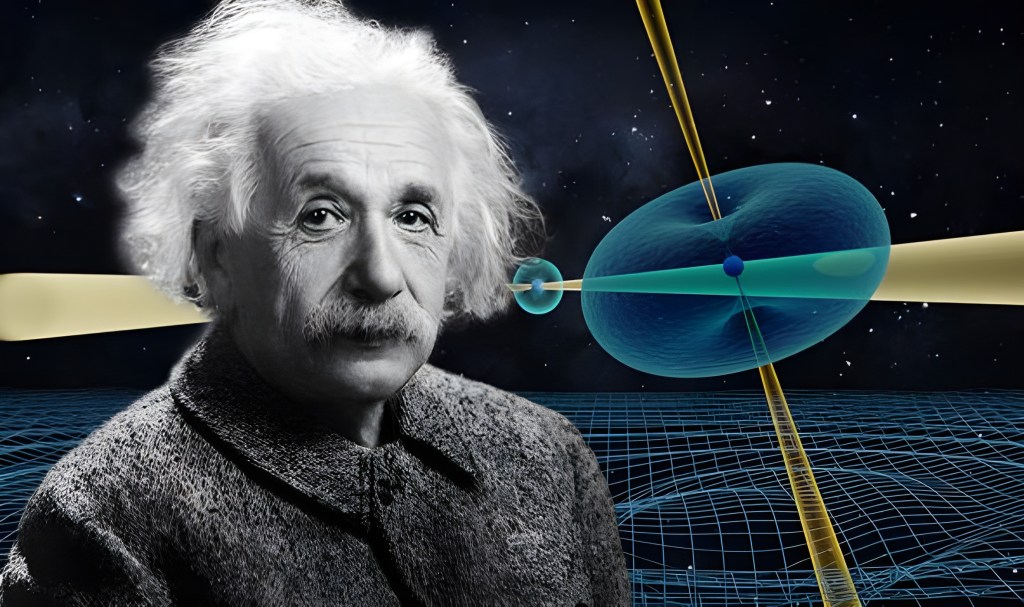
Einstein’s theory of general and special relativity lays the foundation for understanding time travel in a scientific context. Time dilation occurs when an object moves close to the speed of light—time slows down for the moving object relative to someone standing still. For example, astronauts aboard the International Space Station experience time dilation, aging slightly slower than people on Earth. Though this effect is tiny, it shows that time travel into the future is already a real phenomenon.
Wormholes: A Shortcut Through Space-Time
A wormhole, theoretically predicted by general relativity, is often described as a “shortcut” through space-time. It connects two distant points in the universe via a tunnel-like structure. If wormholes exist, they could also connect different points in time, allowing for time travel. However, these shortcuts are unstable and would require exotic matter to remain open, which makes them speculative at best. Still, they remain a tantalizing possibility for future research.

Black Holes: The Gravity of Time
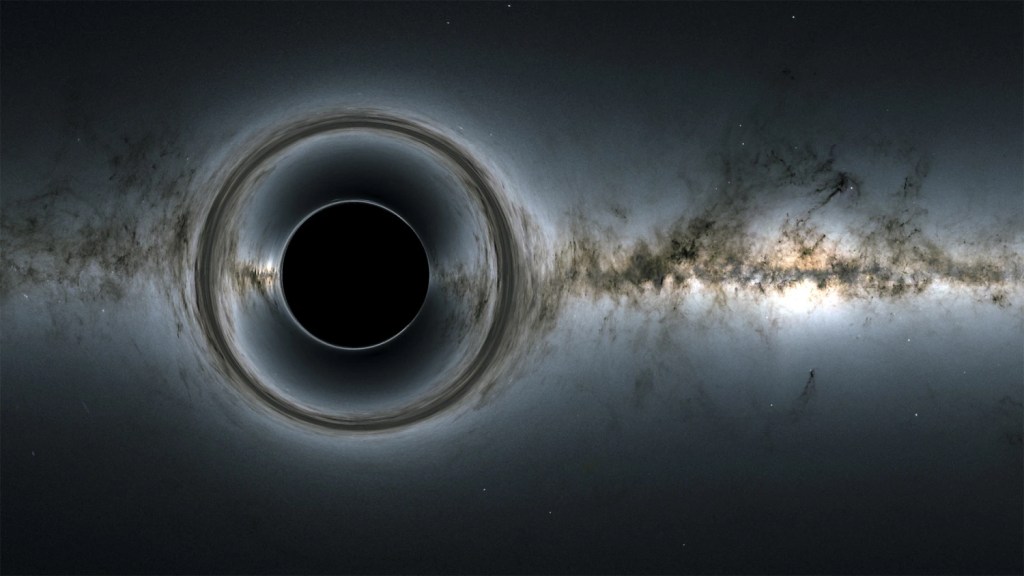
Black holes are known for their intense gravitational pull, warping space-time to the extent that near their event horizons, time essentially stops. This phenomenon raises the possibility that black holes could be gateways to different points in time. However, actually approaching a black hole is far too dangerous with current technology. The intense gravitational forces would likely make any attempt to use them for time travel impossible.
Quantum Mechanics: Time and Uncertainty
While relativity governs large-scale phenomena, quantum mechanics describes the behaviour of particles on a tiny scale. Concepts like quantum entanglement and uncertainty suggest that time may behave differently on the quantum level. Some theorists speculate that quantum particles could provide clues to manipulating time. However, the science is still in its infancy, and we lack the technology to fully explore these ideas.
Paradoxes and Problems: The Grandfather Paradox
One of the major challenges of time travel is the paradox problem. The most famous is the “grandfather paradox”: If you travel back in time and prevent your grandfather from meeting your grandmother, would you still exist? Solutions range from the idea that history is unchangeable to theories like the “many-worlds” hypothesis, where parallel universes are created with each time travel event.

Closed Time-Like Curves and Loops
Physicists are also studying closed time-like curves (CTCs), which allow for paths through space-time that return to the same point—essentially a time loop. These curves theoretically allow for time travel without causing paradoxes, though practical experiments with CTCs are far beyond our current capabilities. Researchers like Kip Thorne and Michio Kaku are investigating these possibilities, hoping to unlock the secrets of time loops.

Ethical and Practical Concerns
Even if time travel were possible, should we use it? The implications of changing history or accessing the future could be catastrophic. Ethical dilemmas abound: What if someone uses time travel for personal gain? Could it lead to unforeseen consequences like disrupting natural timelines or creating parallel universes with unexpected results?

Conclusion: The Frontier of Science
Time travel is one of the most mind-bending concepts in physics, and while we may not have definitive answers yet, the journey toward understanding it has already begun. From relativity to quantum mechanics, science is gradually uncovering the mysteries of time itself. Whether or not we ever unlock the ability to travel through time, the research involved will continue to push the boundaries of human knowledge.

 Real Sheldon: a Science Blog
Leave a comment