
We all know Jurassic Park, right? It’s one of the most famous film-series of all time. While we watch it in the evening with our pajamas on, there are scientists who have been watching it to develop something useful (no offense to film lover).

Scientists have developed a method to store DNA in an amberlike material and still extract it easily hours later. This storage method is cheaper and faster than existing options, the researchers report in the June Journal of the American Chemical Society.
If you want to store information for a very long time, possibly forever, DNA is the way to do it, says James Banal, a chemist at MIT and technical director of a biotechnology company called Cache DNA, headquartered in San Carlos, Calif. DNA stores the genetic information of millions of organisms, but it can potentially be used to store any kind of information, including digital data such as text, photos, videos and more!
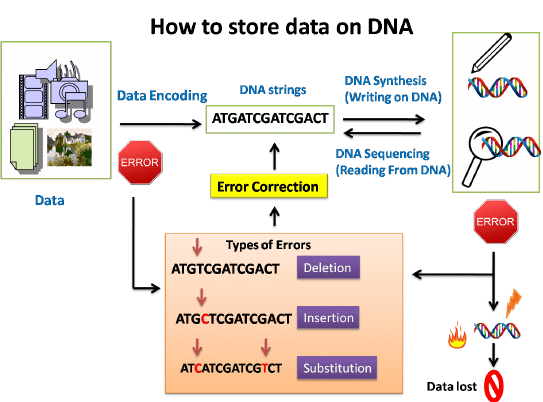
DNA’s storage density is many orders of magnitude higher than that of any device humans have created. For example, if every movie ever made was encoded in DNA, it would fit inside the volume of a sugar cube with room to spare. But DNA is also incredibly fragile and needs careful handling and storage. Existing storage methods require freezing temperatures, specialized equipment or hazardous chemicals such as hydrofluoric acid. Researchers have tried storing DNA at room temperature in silica and other materials, without success.
How about T-Rex?
Banal and colleagues’ new method, called Thermoset-REinforced Xeropreservation (T-REX), encapsulates DNA in glassy polymer networks at room temperature. Using a combination of lock-and-key chemicals that “open up” the polymer’s structure, the researchers can retrieve the DNA. The material is similar to polystyrene plastic, picked by the team because it isn’t easily broken down by nature: Anything encapsulated in plastic can endure for a very long time. But the team made a tiny yet important addition to the plastic — a chemical weakness in the form of a molecule called thionolactone. “That allows us to deconstruct the polymer to get the information back,” Banal says.
Once extracted, the DNA can even be re-encapsulated using the same material, in “a circular kind of chemistry that is actually very beautiful,” Banal says.
Results and Goals
The T-REX method appears to be more efficient than existing methods to store DNA at room temperature, says Dina Zielinski, a computational biologist at Whitelab Genomics, a company in Paris focused on creating digital tools to accelerate drug development. “So even though one could argue that the improvements are incremental [compared with silica methods], they do bring us closer to practically being able to store nucleic acid for hundreds, even thousands, of years at room temperature, which has broad-reaching impact.”
Banal and colleagues are working on making the method simpler so that it can one day be used in the field to collect and preserve genetic data or other specimens, like seeds or proteins, in remote locations — or even used to transport biological molecules for space research.
What about now?
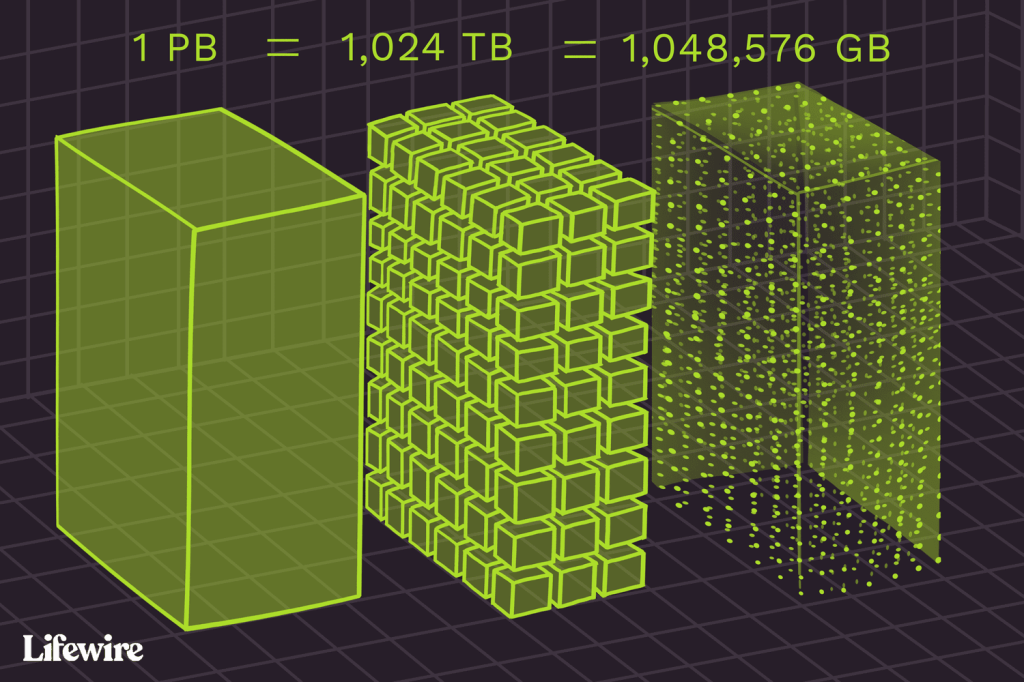
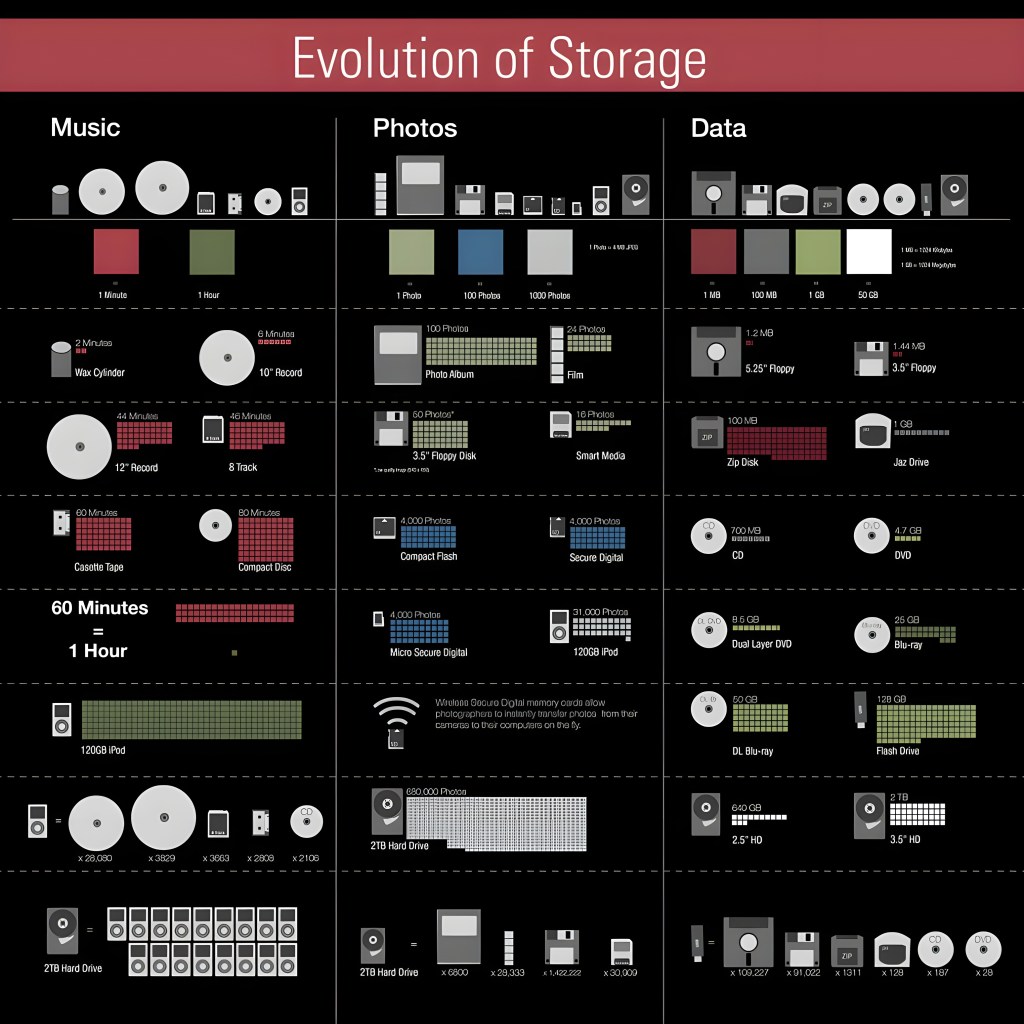
On Earth right now, there are about 10 trillion gigabytes of digital data, and every day, humans produce emails, photos, tweets, and other digital files that add up to another 2.5 million gigabytes of data. Much of this data is stored in enormous facilities known as exabyte data centers (an exabyte is 1 billion gigabytes), which can be the size of several football fields and cost around $1 billion to build and maintain.
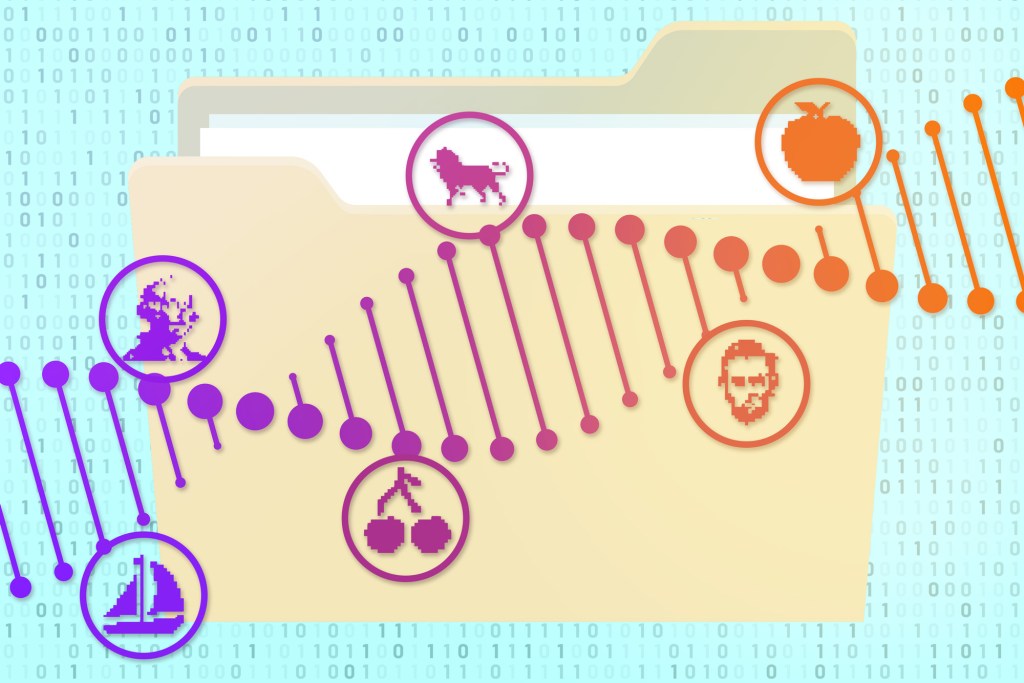
Digital storage systems encode text, photos, or any other kind of information as a series of 0s and 1s. This same information can be encoded in DNA using the four nucleotides that make up the genetic code: A, T, G, and C. For example, G and C could be used to represent 0 while A and T represent 1 but there can also be many other combinations.
DNA has several other features that make it desirable as a storage medium: It is extremely stable, and it is fairly easy (but expensive) to synthesize and sequence. Also, because of its high density — each nucleotide, equivalent to up to two bits, is about 1 cubic nanometer — an exabyte of data stored as DNA could fit in the palm of your hand.
One obstacle to this kind of data storage is the cost of synthesizing such large amounts of DNA. Currently it would cost $1 trillion to write one petabyte of data (1 million gigabytes). To become competitive with magnetic tape, which is often used to store archival data, Bathe estimates that the cost of DNA synthesis would need to drop by about six orders of magnitude. Bathe says he anticipates that will happen within a decade or two, similar to how the cost of storing information on flash drives has dropped dramatically over the past couple of decades.
Aside from the cost, the other major bottleneck in using DNA to store data is the difficulty in picking out the file you want from all the others.
That’s it. I’d like to conclude this article with a question… If you had the possibility to have a hard-drive with an infinite capacity: what would you store in it? Lemme know in the comments!

 Real Sheldon: a Science Blog
Leave a comment