

車がこわれた、マァ、イッカ〜? [Kuruma ga kowareta, maa, ikka?]
A pretty difficult joke to understand : ). Nevermind…
The origin of the Japanese language is heavily debated. Evidence could link several language families, including Chinese, Polynesian, and Ural-Altaic. Many even consider Japanese to be a language isolate!
Yet it is most widely believed that the Japan language belongs to the Ryukyuan family of languages, brought to Japan via the Korean peninsula in the 4th century BC.
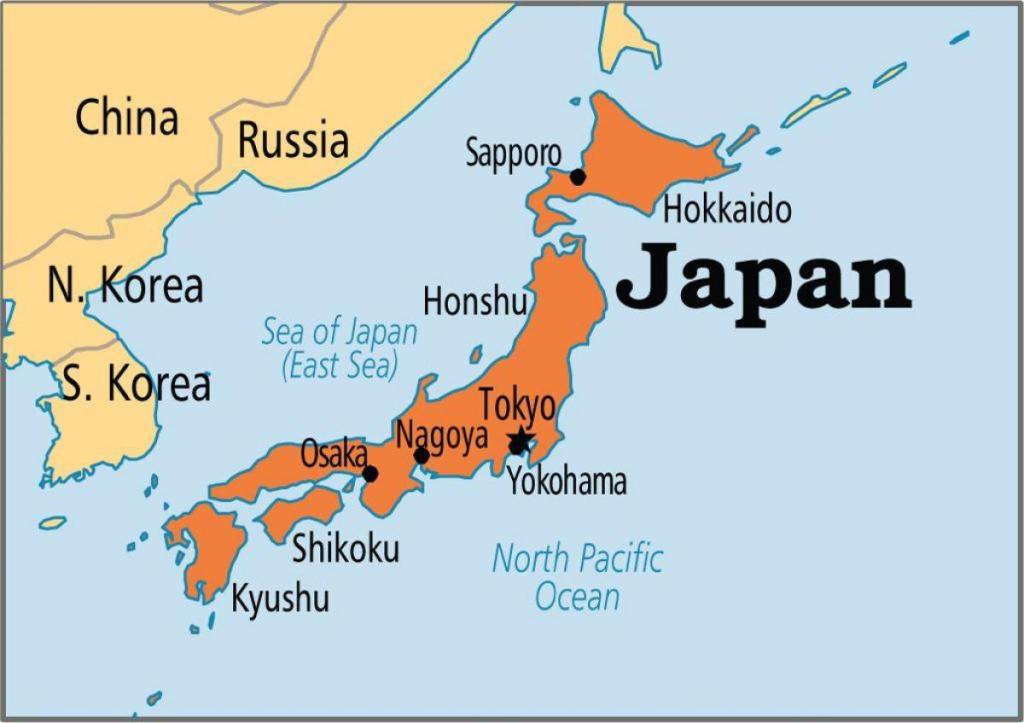
The lack of evidence of origins is largely down to the lack of a writing system for the Japanese language until this time. People speak Japanese, but it is hard to define the “beginning” of the language without any preserved text.
However, the Japanese population started using Chinese characters in the 4th century. These are the earliest known texts written in Japanese, known as Old Japanese language, which uses many of the same grammatical rules in place today.
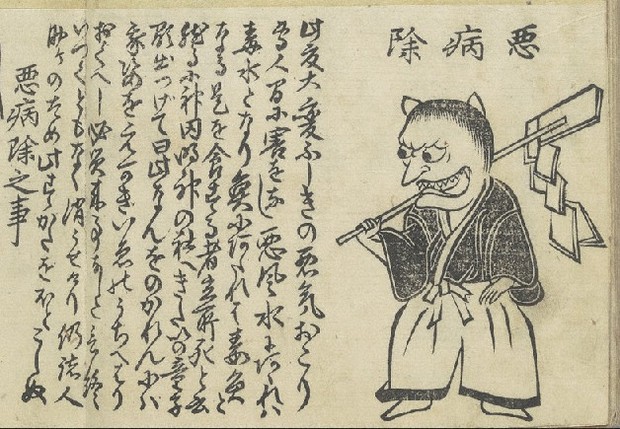
The language of Japan evolved and underwent several phonological changes, becoming Early Middle Japanese in the Heian period (794 to 1185). This language was the literary standard in Japan and incorporated many Chinese loanwords. The Late Middle Japanese period followed and spanned from 1185 to 1600, characterised by the addition of European loanwords.
The Modern Japanese period moves further from the origin of the Japanese language. Previously, the Kansai dialect of Japanese was considered the language standard. But in the Modern Japanese era, there was a shift towards the dialect spoken in Edo (modern-day Tokyo).
From the 1600s onwards, the city developed into the largest in Japan, and the regional language variety was used to speak Japanese professionally and day-to-day.

The Japanese language continued to evolve as time passed. The number of European loanwords increased significantly from 1853 onwards, the year that Japan when 265-year self-imposed isolation.
As trade opened and connections formed, these additions were necessary. More foreign words were borrowed post-war, particularly from German, Portuguese, and English languages.
How about the writing systems?
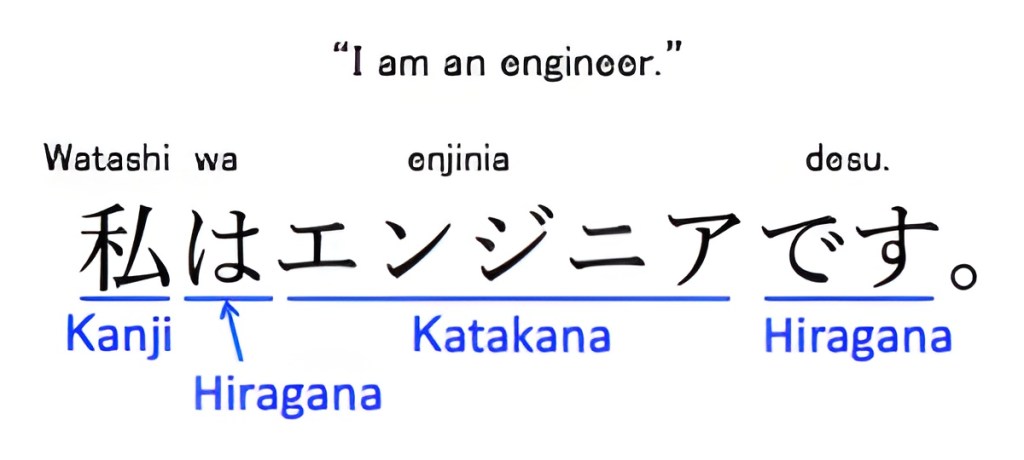
Before the 4th century AD, the Japanese language had no writing system. Japan then came into contact with Chinese culture, including the Chinese script, in the 5th century. The Japanese started developing their own script based on traditional Chinese characters, and are thought to be the origin of Japanese language alphabets and writing systems. The characters are known as Kanji (漢字).
Thousands of Kanji are part of the writing system of Japanese. The Japanese Ministry of Education expects students to be familiar with around 2,000 characters before high school graduation.
This is usually an adequate number for common printed material. Highly educated Japanese speakers may know up to 8,000 characters!

The modern Japan language can also be written in two other scripts that emerged during the 9th century: Hiragana (平仮名) and Katakana (片仮名).
Hiragana is a simplified version of Kanji, created by the Japanese Imperial Court and used by most people that speak Japanese.
Katakana was developed by Buddhist monks and is more like a shorthand version of Kanji. It is a sound-based script that can be used to write foreign loanwords.

Japanese Folklore
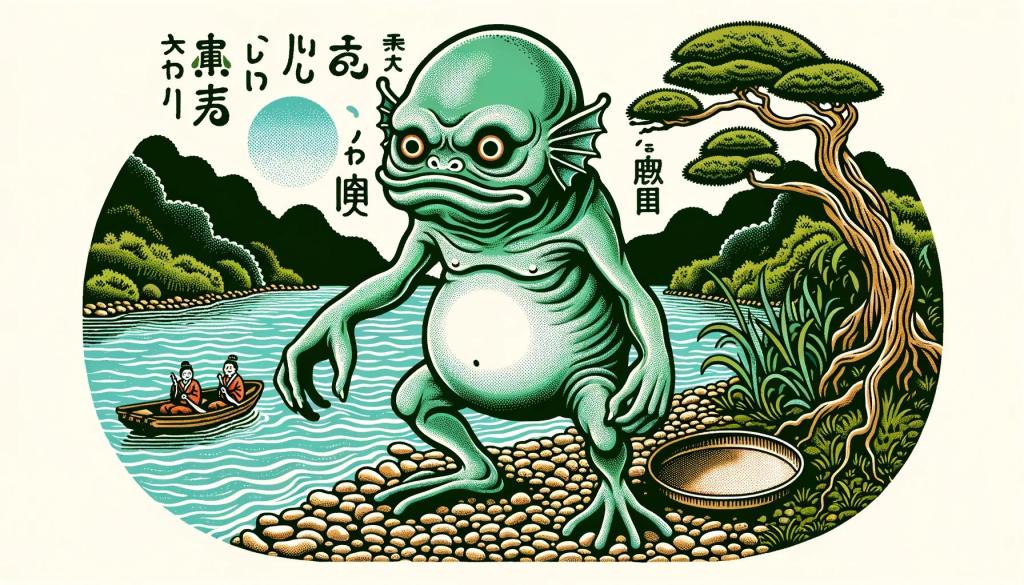
Japanese folklore often involves humorous or bizarre characters and situations, and also includes an assortment of supernatural beings, such as bodhisattva, kami (gods and revered spirits), yōkai (monster-spirits) (such as oni, similar to Western demons, ogres, and trolls), kappa (河童, “river-child,” or gatarō, 川太郎, “river-boy,” or kawako, 川子, “river-child,” a type of water sprite), and tengu (天狗, “heavenly dogs”), yūrei (ghosts), Japanese dragons, and animals with supernatural powers such as the kitsune (fox), tanuki (raccoon dog), mujina (badger), and bakeneko (transforming cat).

Conclusion
I hope you enjoyed reading this post. I’d love to visit Japan: I’ll go there as soon as I can! How about you? Have you ever been to Japan? Would you like to go there? Let me know in the comments.
 Real Sheldon: a Science Blog
Leave a comment