
What is 3D Printing?
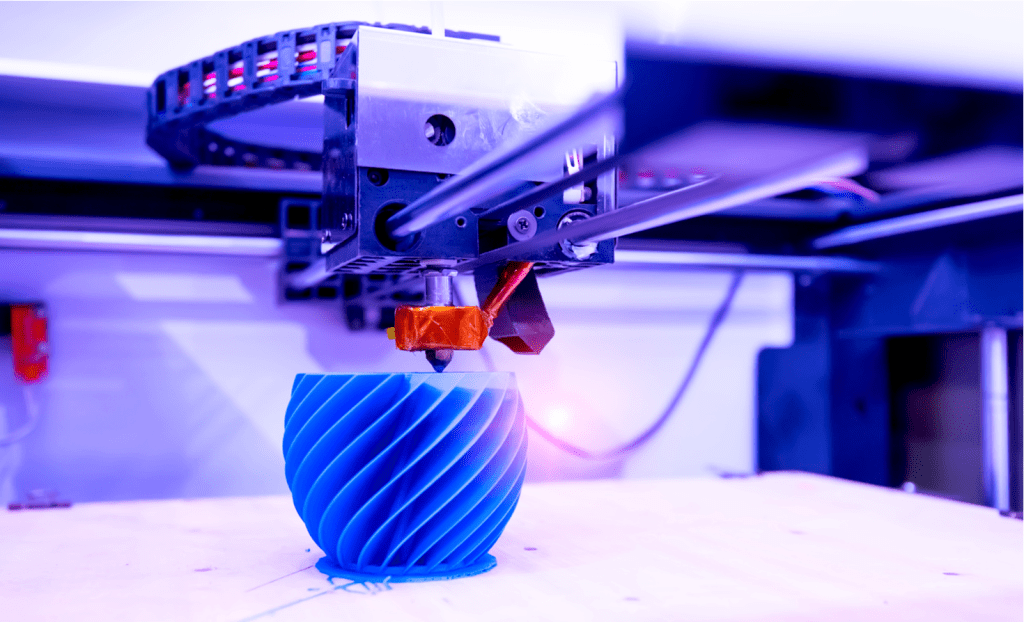
3D printing, or additive manufacturing, is a process of creating three-dimensional objects from a digital file called STL. It works by successively adding material layer by layer until the object is formed. The process begins with a 3D model designed using computer-aided design (CAD) software. This model is then sliced into thin horizontal layers, which the 3D printer builds sequentially. Various materials can be used, including plastics, metals, and ceramics. The printer’s nozzle or print head deposits the material according to the design, solidifying each layer before adding the next, resulting in a precise and complex object.
FDM stands for Fused Deposition Modeling. It is a popular 3D printing technology that works by extruding thermoplastic filament through a heated nozzle. The material is deposited layer by layer onto a build platform according to the digital 3D model. As each layer is added, it cools and solidifies, bonding with the previous layer to create the final object. FDM is known for its ease of use, affordability, and suitability for prototyping and producing functional parts with various materials, including ABS, PLA, and PETG.
My Experience
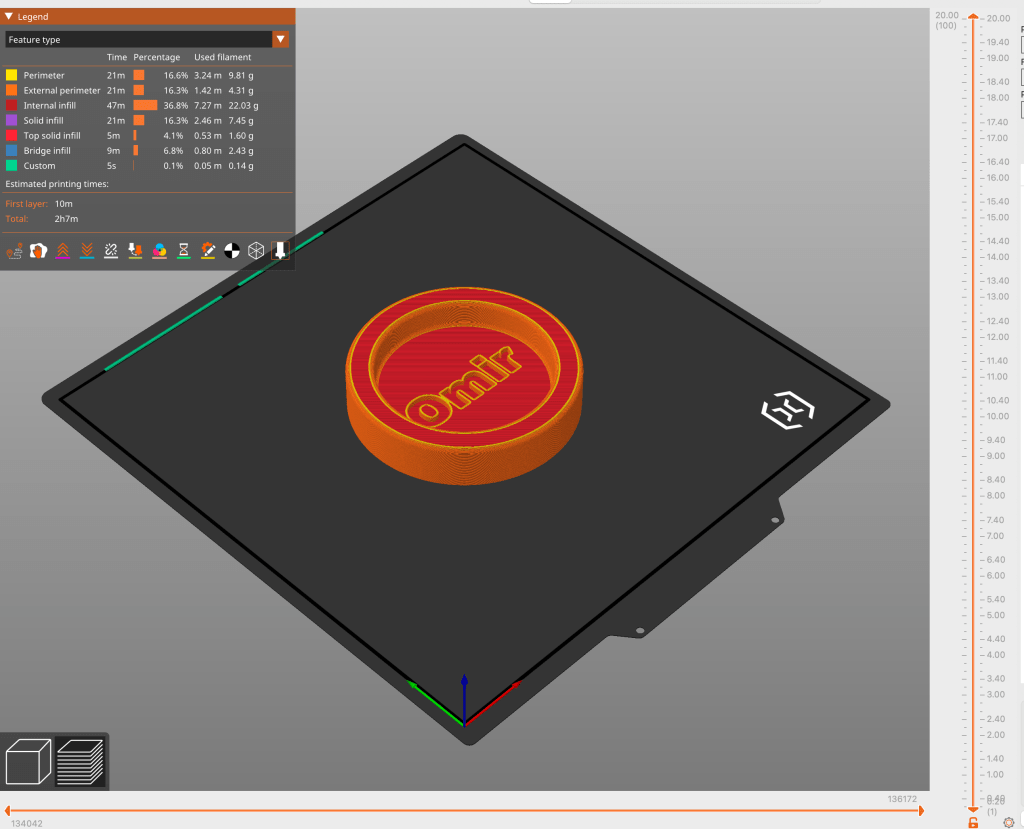
I’d always wanted to have a 3d printer but I thought that all machines would have been really expensive! I googled a google times (mathematical pun), but all I saw were printers worth 2000£! Then I met Andrea, my ex swimming coach; he taught me many things and suggested a small 3d printer to start exploring this super innovative hobby!
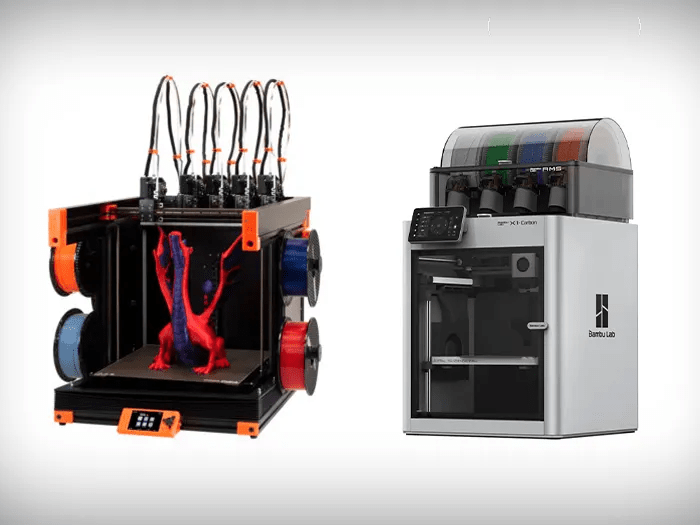
I’ve got an Artillery 3D Printer, the X4 Pro model! It’s definitely not the best in the world but it works incredibly well. The best brands are Prusa and Bambu Lab, at the moment.
I’ve printed dozens of thing. I find files online but sometimes I model some original creations directly from a CAD! The most rewarding thing is being able to (potentially) create whatever you desire!
Where do I find all 3d printing files (stl)? At Printables.com. There you can find files, creations, ideas and much more! Here are the files:
https://www.printables.com/it.
https://www.printables.com/it/@Matt_2024_1907694
The second link is my profile! If you need some interesting files, consider following me and downloading what you need.
Why is it useful?
3D printing is useful for several reasons:
- Customization: It allows for the production of tailored and unique items, such as medical implants and custom-fit wearable devices.
- Rapid Prototyping: Designers and engineers can quickly create prototypes to test form, fit, and function, speeding up the development process.
- Complex Geometry: It can produce intricate and complex designs that are difficult or impossible to achieve with traditional manufacturing methods.
- Reduced Waste: As an additive process, it only uses the material necessary for the object, minimizing waste.
- On-Demand Production: Items can be manufactured as needed, reducing the need for large inventories and storage costs.
- Cost-Effective: It lowers production costs, especially for small runs and custom parts, by eliminating the need for expensive molds and tooling.
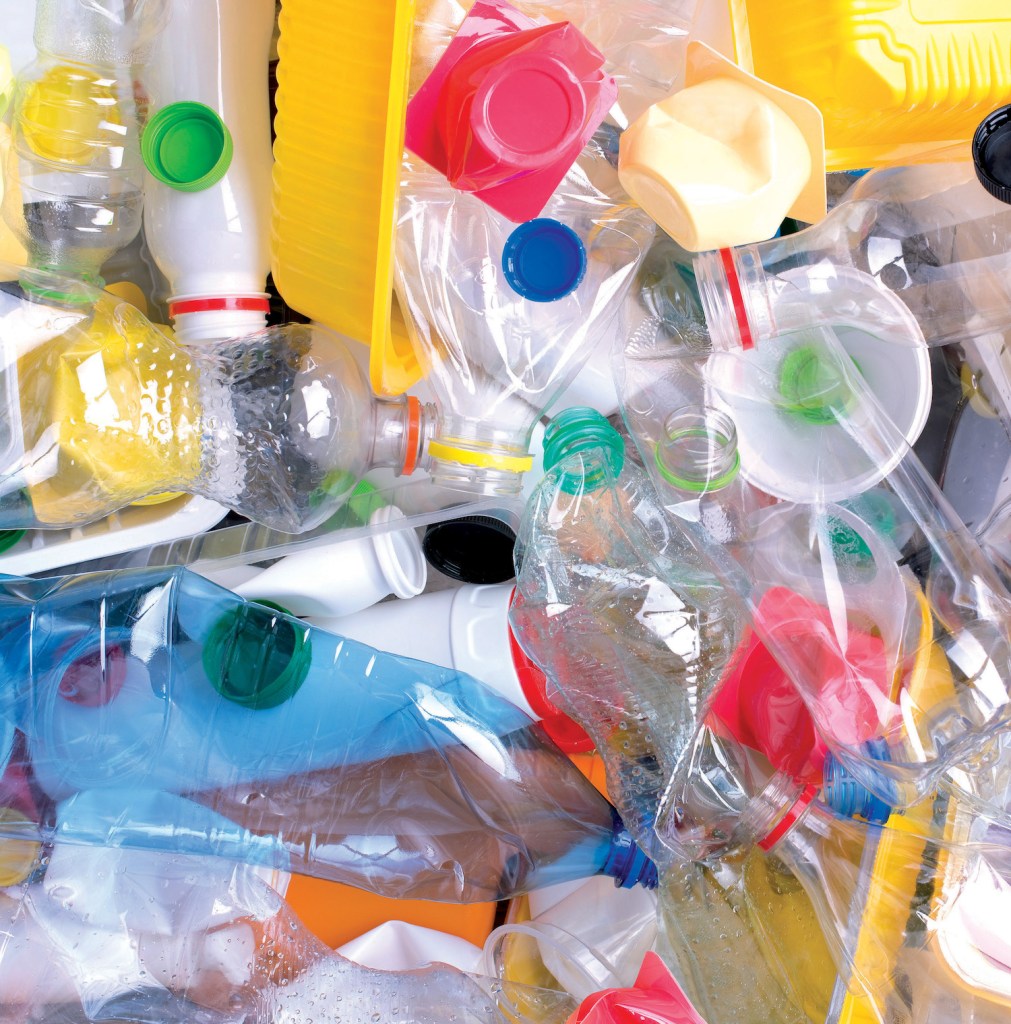
3d printers also consider plastic as a resource, and are trying to create filaments from plastic waste! According to me, it’s very admirable. There is a really friendly 3d printing community all around the world, this is a hobby that can unite people from different countries.
What about the Future?
In conclusion, 3D printing offers a promising solution to the pressing issue of plastic waste. By enabling the production of customized, on-demand items, this technology minimizes excess production and reduces the need for large inventories. The ability to recycle and reuse plastic materials in 3D printing processes further contributes to sustainability efforts. As advancements continue, 3D printing holds the potential to revolutionize manufacturing, turning plastic waste into valuable resources. Embracing this innovative approach can lead us towards a more sustainable future, where technology and environmental responsibility go hand in hand.
 Real Sheldon: a Science Blog
Leave a comment